
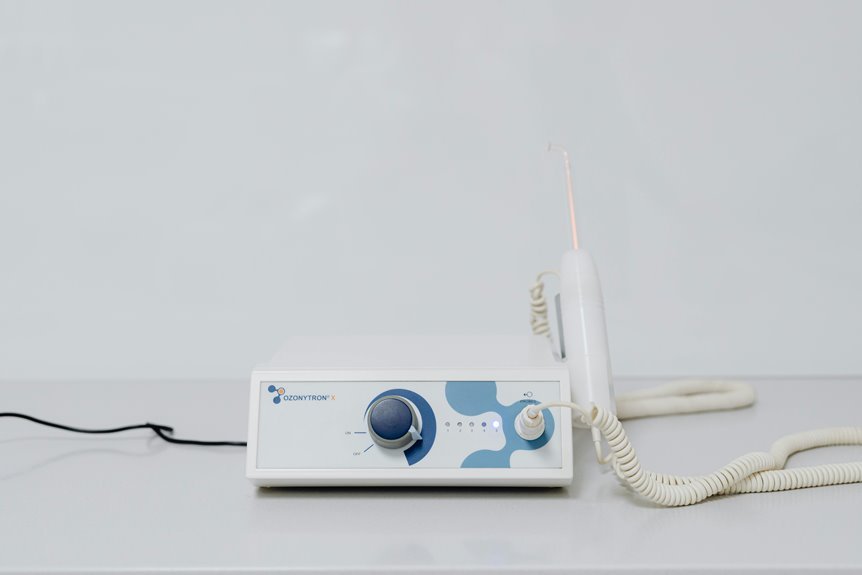

Ozone air purifiers are not a safe choice for clean indoor air. They create ozone gas, which can irritate your lungs and make breathing harder. Even low levels can trigger coughing, chest tightness, and asthma symptoms. Before putting one in your home, it helps to know how this gas affects the air you breathe.
What Are Ozone Air Purifiers?
At first glance, an ozone air purifier might sound like a smart way to freshen the air in your home, but it works very differently from a standard air cleaner.
Instead of trapping dust and particles, it releases ozone gas into your space. That matters because grasping ozone basics helps you see why these devices don’t fit the same trusted category as HEPA purifiers.
As you sort through air cleaning misconceptions, it’s helpful to know that marketers often blur crucial differences. An ozone unit isn’t simply another filter with a modern twist.
It’s a machine designed to change indoor air through adding a reactive gas. You deserve clear facts, especially whenever you’re trying to create a safe, welcoming home for the people you love. Realizing what the device is comes initially before judging any claims.
How Do Ozone Purifiers Work?
How, then, do ozone purifiers actually work inside your home? They create ozone gas and push it into your indoor air. In the ozone generation process, the machine changes normal oxygen molecules into ozone molecules with three oxygen atoms instead of two. That extra atom makes ozone highly reactive, so it seeks out other compounds in the air and bonds with them.
Most units use the corona discharge method. Here, electricity passes across a plate or wire and splits oxygen molecules apart. As those atoms reconnect, some form ozone. Some machines also use ultraviolet light, though that approach usually makes less ozone. Once released, the gas spreads through rooms, reaches fabrics, walls, and vents, and reacts wherever it lands.
That helps you understand what the device is really doing around your shared residential space.
Are Ozone Air Purifiers Safe Indoors?
Once you know that these machines fill your home with a highly reactive gas, the safety question gets much easier to answer: ozone air purifiers aren’t safe for occupied indoor spaces.
Whenever you want your home to feel clean and welcoming, this isn’t the tool that helps your people breathe easier.
That matters because indoor exposure can happen fast in bedrooms, living rooms, and other shared areas.
Even careful device placement doesn’t make an occupied room safe, since ozone spreads through the air you all share.
No U.S. agency approves ozone generators for occupied spaces, and safety limits for other devices stay very low.
That tells you something crucial: whenever a machine needs ozone to work, it doesn’t belong around your family, guests, or pets.
You deserve safer ways to freshen indoor air.
What Health Risks Can Ozone Cause?
Because ozone is so reactive, it can irritate the delicate lining of your nose, throat, and lungs within a short time, and that can leave you coughing, feeling chest tightness, or struggling to take a full breath. Even low exposure can cause respiratory irritation, throat pain, chest discomfort, and reduced lung function, so you might feel off even while the air seems clean.
That reaction matters because your body works hard to protect you, and ozone can trigger lung inflammation.
| Exposure effect | What you might feel | Why it matters |
|---|---|---|
| Nose and throat irritation | Burning, dryness | Signals tissue stress |
| Chest tightness | Harder breathing | Limits comfort |
| Coughing | Repeated irritation | Disrupts rest |
| Reduced lung function | Less air movement | Strains activity |
| Lung inflammation | Soreness, fatigue | Raises health risk |
Can Ozone Air Purifiers Worsen Asthma?
When you have asthma, an ozone air purifier can make your symptoms worse instead of making the air safer. Ozone irritates the delicate lining of your lungs, so breathing can feel harder, tighter, and more stressful. If you’ve ever felt left out because your breathing limits you, you’re not imagining it. Ozone can spark an asthma symptom flare even at low levels.
That happens because ozone acts like one of the concealed airway inflammation triggers in your home. It can increase coughing, wheezing, chest tightness, and shortness of breath. As your airways swell, your lungs work harder, and everyday moments can suddenly feel overwhelming.
Even worse, ozone could react with other indoor chemicals and create more irritants. So whether you want air that helps you feel comfortable and included, ozone isn’t a safe choice for asthma.
Who Is Most at Risk From Ozone?
If you have kids or teens at home, you should know their lungs are still developing, so ozone can hit them harder.
If you live with asthma, even low ozone levels can trigger coughing, chest tightness, and trouble breathing.
And if you’re an older adult, especially with a health condition, ozone can put extra strain on your lungs and make everyday breathing feel harder.
Children And Teenagers
Although ozone can bother anyone’s lungs, children and teenagers face a higher risk because their lungs are still growing, they breathe faster, and they often spend more time being active indoors where these machines run. If you’re caring for kids or guiding teens, that matters right away.
Because younger lungs are still developing, ozone can irritate airways, lower lung function, and make exercise feel harder. That’s why teen safety and school air quality belong in the same conversation.
You want your group to feel included, strong, and ready to learn, not sidelined by coughing, throat irritation, or chest tightness. Even healthy kids can feel these effects after short exposure.
People With Asthma
That same concern grows even more serious for people with asthma, because ozone doesn’t just irritate the lungs, it can set off real symptoms fast.
If you live with asthma, even low ozone exposure can tighten your chest, spark coughing, and make breathing feel harder than it should. That means asthma symptom flare ups can happen indoors, where you expect safety and comfort.
Because your airways already react strongly, ozone can act like an uninvited guest that stirs trouble quickly. You may need stronger inhaler trigger awareness, especially around machines marketed as air cleaners.
Those devices can make your space feel less supportive, not more. If you’ve ever felt left out by your breathing limits, know this: your caution is valid, your symptoms are real, and cleaner air should help you belong and breathe easier.
Older Adults
As you get older, ozone can place a heavier strain on your lungs and heart, especially while you already manage conditions like asthma, COPD, or sleep apnea. Even low levels can trigger coughing, chest tightness, throat irritation, and shortness of breath. Whenever you live with chronic illness, that extra irritation can feel overwhelming fast.
Because your body may recover more slowly, ozone exposure can also raise the risk of serious flare-ups and lasting lung damage. This matters even more whenever mobility challenges keep you indoors, where ozone machines may be used.
On top of that, medication management can get harder while breathing symptoms suddenly worsen or chest pain appears. You deserve air that supports your health, not air that makes daily life harder. Safer, non-ozone options help you protect your space and feel more secure.
Do Ozone Purifiers Remove Odors Safely?
Why do ozone purifiers seem like a quick fix for bad smells while they can put your lungs at risk? You want your home to feel fresh, safe, and welcoming. But ozone doesn’t clean air safely in occupied rooms. At levels considered safer, it often can’t handle strong odors. To erase smells, it usually needs much higher concentrations that can irritate your throat, trigger coughing, and tighten your chest.
That gap matters as you’re choosing odor control methods for the people you care about. Ozone also has real scent removal limits, so it may mask or react with pollutants instead of truly removing them.
In some homes, it can even create new irritating chemicals and tiny particles. Should you want everyone breathing easier together, non-ozone options make far more sense for daily odor problems and health.
What Does the EPA Say About Ozone?
The EPA warns you that ozone can harm your lungs, even at levels that might seem low.
It also says ozone is harmful indoors, where these machines can add risks instead of giving you cleaner air.
EPA Ozone Position
One clear message comes from the EPA: ozone can harm your lungs, even at low levels, and it doesn’t become safe just because a machine makes it indoors.
If you want trusted direction, EPA guidance on indoor ozone stays firm and practical. It warns you not to rely on ozone generators in occupied spaces, since they can injure breathing tissues and might create other pollutants indoors.
That matters because you deserve air cleaning methods that truly protect your home.
- The EPA says ozone is harmful whether it comes from outdoor smog or an indoor device.
- It also points out that many purifier claims sound comforting, but don’t match real safety evidence.
- If you compare those warnings with federal ozone exposure limits, the gap becomes hard to ignore for families seeking safer indoor air.
Health Warning Levels
Because health limits for ozone are so low, the EPA’s warning carries real weight for your home. You deserve air that helps your family feel safe, not isolated from concealed risk. The EPA observes that even low exposure thresholds can irritate lungs, reduce breathing strength, and spark warning symptoms like coughing, chest tightness, throat irritation, and shortness of breath.
| Level | What you might feel |
|---|---|
| 0.05 ppm | A line many devices shouldn’t cross |
| 0.08 ppm | EPA 8-hour limit, where concern grows |
| 0.10 ppm | Worker cap, not a comfort signal |
| Higher exposure | Greater risk for asthma, elders, and kids |
Indoor Air Concerns
While an ozone machine may sound like a quick fix for stale indoor air, the EPA says ozone is a lung irritant and not a safe cleaning tool for rooms people use. That matters in your home, where you want everyone to breathe easier and feel safe together.
- The EPA warns that ozone can harm your lungs even at low levels, especially when you have asthma, COPD, or allergies.
- It also says ozone doesn’t remove many indoor pollutant sources unless levels rise beyond what people should breathe.
- Instead, you can protect your space with proven ventilation strategies, source control, and filtration that support healthier shared air.
What Are Safer Alternatives to Ozone Purifiers?
Whenever you want cleaner indoor air without the health risks of ozone, safer options do a better job and let you breathe easier. You deserve choices that protect your home and everyone in it. Start with HEPA filtration for dust, pollen, pet dander, and smoke particles. Add activated carbon whenever odors and gases make your space feel less welcoming. Together, they clean air without creating harmful byproducts.
| Option | What you visualize | Why it feels safer |
|---|---|---|
| HEPA filter | A net catching tiny specks | Traps particles, no ozone |
| Activated carbon | A sponge soaking up smells | Reduces odors and gases |
| Certified purifier | A calm fan in your room | Cleans air responsibly |
These options help you create a home that feels fresh, shared, and safe for your people every day.
How Can You Improve Air Quality Without Ozone?
If you want cleaner air without the risks linked to ozone, start with controlling the air your home already has. You deserve a space that feels safe, fresh, and welcoming for everyone under your roof. Focus initially on source control, then use smart ventilation strategies and proven HEPA filtration to clear what remains.
- Open windows whenever outdoor air is good, and run kitchen and bathroom exhaust fans to move stale air out.
- Vacuum with a sealed machine, wash bedding often, and cut dust by keeping shoes at the door.
- Choose low-odor cleaners, fix leaks fast, and lower humidity so mold can’t settle in.
Next, upgrade your HVAC filter if your system allows it, or add a portable HEPA unit. Small steps work together, and your home can feel easier to breathe in every day.
Frequently Asked Questions
How Can I Tell if My Purifier Produces Ozone?
You can tell if your purifier produces ozone by checking the indicator labels, reading the product manual, and looking for features such as an ionizer or any mention of ozone output. A sharp, chlorine like smell can also be a warning sign.
Are Ozone Air Purifiers Legal to Sell in All States?
No. Ozone air purifiers are not automatically legal to sell in every state. State rules and sales requirements differ, and some states impose stricter limits than others. Check the specific laws in your state, since no federal agency has approved ozone generators for use in occupied indoor spaces.
Can Ozone Damage Furniture, Rubber, or Electronics Over Time?
Yes. Ozone can slowly wear down materials indoors by oxidizing surfaces. Over time, it can crack rubber seals and cords, fade some fabrics, damage protective coatings, and contribute to corrosion in electronic components. Choosing cleaning and odor control methods that do not rely on ozone helps reduce that risk.
What Maintenance Do Ozone-Generating Purifiers Require?
Maintenance usually includes cleaning or replacing intake filters, replacing the ozone plate or UV lamp if the model uses one, wiping dust from vents and the housing, and checking tubing, fittings, and seals for cracks or leaks. Follow the service schedule in the manufacturer’s manual, keep any air quality or safety sensors free of dust buildup, and confirm that the unit is operating within its rated output. Since ozone can irritate the lungs and worsen indoor air quality when misused, a purifier that does not generate ozone is often the safer choice.
Do Ionizers and Ozone Generators Pose the Same Risks?
They carry related but distinct hazards: ionizers can create secondary pollutants, while ozone generators expose you to ozone itself. In both cases, breathing problems can become more likely, especially in homes with children, older adults, or anyone with asthma.