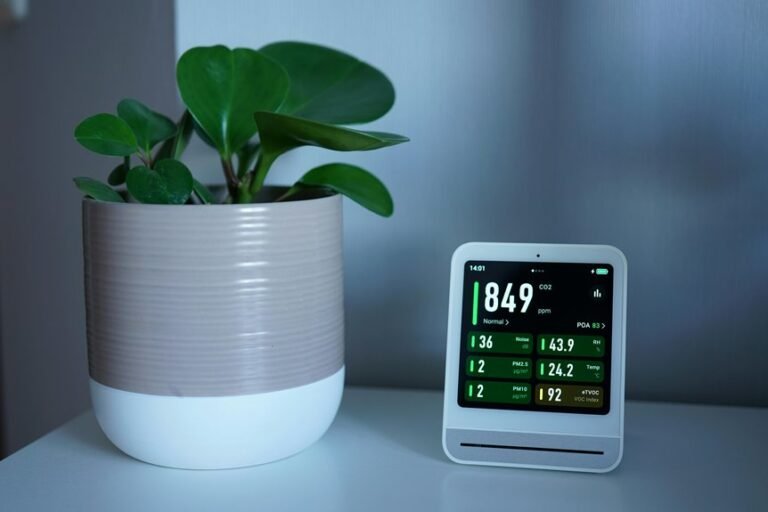


Hybrid air purifier systems clean air better by combining more than one method in a single unit. They often use HEPA for dust and allergens, carbon for odors, and extra features like UV-C or ionizers. This layered setup can help tackle smoke, pet dander, germs, and household smells at the same time. With indoor air often more polluted than outdoor air, picking the right mix can save money and improve comfort.
What Is a Hybrid Air Purifier System?
If one filter can’t handle everything in the air, a hybrid air purifier system steps in by combining two or more cleaning methods in one setup. In simple definition basics, you get one unit designed to address different kinds of pollutants, so your space feels cleaner and more welcoming.
That matters because you deserve air care that fits real life, not a one-size-fits-all promise. The system components usually include paired media, such as HEPA for tiny particles and activated carbon for odors and gases. In larger settings, hybrids might also pair cyclones with bag filters or scrubbers with other filtration stages.
As a result, you get broader protection than a single method can offer. It’s a team approach to cleaner air, and that can help you feel more at home every day, wherever you gather.
How Do Hybrid Air Purifiers Work?
Because indoor air carries more than one kind of pollutant, a hybrid air purifier works via moving air through a planned series of cleaning stages, with each one targeting a different problem. You get stronger results because airflow sequencing matches contaminant layering, so larger debris, gases, and microbes don’t all hit one barrier at once.
- A prefilter catches lint, hair, and bigger dust initially.
- Carbon media adsorbs odors, smoke, and chemical gases next.
- UVGI or similar treatment can reduce germs in the airstream.
- Final stages polish the air so your space feels fresher.
This teamwork matters. Whenever stages share the load, your system runs smoother and parts can last longer. You breathe air that feels more welcoming, and your home starts feeling like your place again, not the city’s waiting room.
How Do HEPA Filters Help?
Although a hybrid purifier uses several stages, the HEPA filter does the heavy lifting on the particle side by trapping the tiny solids that make indoor air feel stale, dusty, and irritating. You get the benefit where it matters most: cleaner shared air that helps everyone breathe easier and feel more at home.
That matters because strong particle capture targets dust, pollen, pet dander, mold spores, and some smoke particles that float through your rooms. True HEPA media follows strict filter standards, including the well-known 99.97 percent efficiency at 0.3 microns, which is the hardest size to catch. Even better, HEPA fibers trap larger and smaller particles too through interception, impaction, and diffusion. In a hybrid system, this stage protects the rest of the purifier by reducing the particulate load first.
How Does Activated Carbon Remove Odors?
While HEPA handles tiny solid particles, activated carbon takes on the smells and gases that would otherwise slip right through, so your air feels cleaner in a more complete way. You benefit because carbon has millions of tiny pores. These pores support carbon adsorption chemistry, where gas molecules cling to the surface instead of floating in your room.
That process helps your space feel welcoming, familiar, and easier to share with others:
- It captures cooking smells before they settle in.
- It reduces pet odors that can make rooms feel closed off.
- It targets smoke and VOCs that HEPA can’t catch.
- It improves odor molecule trapping through vast internal surface area.
As air moves through the carbon layer, unwanted compounds stick there. You get fresher air that helps everyone around you feel more at home.
Are UV-C and Ionization Worth It?
So, are UV-C and ionization really worth adding to a hybrid air purifier? They can help, but you shouldn’t treat them as must-haves. In most homes, HEPA and carbon do the heavy lifting, while UV-C and ionization play smaller support roles.
If you want extra peace of mind, UV-C can appeal because it can inactivate germs once designed well. Still, UV C safety concerns matter. Poor shielding, weak bulbs, or bad placement can limit benefits.
Ionization sounds impressive too, yet Ionization side effects can include lung irritation from ozone or charged particles settling on surfaces. That’s why many people in your circle choose these features only from trusted brands with clear testing.
Upon you shop, look for verified performance, low ozone claims, and strong filtration first. That keeps your space feeling safe and welcoming.
What Pollutants Do Hybrid Purifiers Remove Best?
Hybrid purifiers work best whenever you need help with both particles and gases at the same time. You can count on them to trap particulate matter like dust, smoke, and pet dander, while also cutting VOCs and stubborn odors that standard filters often miss.
Better yet, whenever your system combines HEPA, carbon, and sometimes UVGI, you get stronger protection against allergens and microbes that can make your air feel anything but clean.
Particulate Matter Removal
Because indoor air can hold more than just visible dust, hybrid air purifiers work best at removing particulate matter across a wide size range, including dust, pollen, pet dander, smoke, mold spores, and even some bacteria-carrying particles.
You get stronger protection because each stage traps different particle sizes, helping your shared spaces feel cleaner and safer.
- Prefilters catch larger debris before it clogs finer media.
- HEPA layers trap tiny particles, even near 0.3 microns.
- UV support can reduce microbes riding on airborne particles.
- industrial dust capture improves in tougher, high-load environments.
That layered design also enhances cyclone prefiltration efficiency, which helps extend filter life when particle levels rise.
VOCs And Odors
Particles are only part of the story. Whenever you want your space to feel clean and welcoming, hybrid purifiers help with the pollutants you can’t see but definitely notice. Paint fumes, cleaning chemicals, cooking gases, and smoke release volatile organic compounds, so VOC absorption matters.
That’s where activated carbon and other molecular media join the team. While particle filters trap dust, carbon targets gases that slip through ordinary filters.
You get stronger odor control because the system adsorbs smells from pets, trash, food, and everyday existence before they settle into your shared spaces. In a hybrid setup, each stage supports the next, so your air feels fresher and more like home. You don’t have to choose between particle capture and gas removal. Together, they help everyone breathe easier and feel more comfortable daily.
Allergens And Microbes
While odors can make a room feel stale, allergens and microbes affect how your body feels, and that’s where hybrid purifiers really shine. You get stronger pollen control because a HEPA stage traps tiny allergy triggers, while added UV or other support methods help reduce germs moving through shared air. That means fewer sneezes, less irritation, and more comfort in the spaces you call home.
- HEPA captures pollen, pet dander, dust mites, and many fine particles.
- UV support can inactivate bacteria and some viruses after filtration.
- Hybrid stages catch mold spores before they spread and settle.
- Multi-stage airflow helps your purifier work better for everyday family life.
Together, these layers help you breathe easier and feel more at ease, like your space truly welcomes you every day.
Best Rooms for Hybrid Air Purifiers
Several rooms in your home can benefit from a hybrid air purifier, but the best spots are the ones where air problems stack up fast. Start with living room placement, because that shared space collects dust, pet dander, odors, and everyday traffic. Then consider basement workshop use, where sawdust, fumes, and stale air can linger and make the space feel less welcoming.
| Room | Main issue | Why it helps |
|---|---|---|
| Living room | Dust, odors | Keeps shared air fresher |
| Bedroom | Allergens, microbes | Supports calmer rest |
| Basement workshop | Dust, fumes | Clears tougher mixed pollution |
You’ll also notice real value in bedrooms, kitchens near open layouts, and finished basements. These spots help everyone breathe easier, gather comfortably, and feel more at home together every day.
How to Choose the Right Hybrid Air Purifier
Choosing the right hybrid air purifier starts with one simple idea: match the machine to the kind of air problems you actually have.
Should your home has dust, choose HEPA with strong particle capture. Should odors or fumes bother your group, add activated carbon for gas control. That way, you pick a unit that fits your daily life.
As you compare models, keep these points close:
- Check room size so airflow matches your shared space.
- Look for true HEPA, not vague HEPA-like wording.
- Weigh budget considerations against filter replacement costs.
- Test the noise level should you need calm bedrooms or work areas.
You also want a system that feels easy to live with.
Should your purifier supports your routines and your people, clean air becomes part of home, not another chore.
Hybrid Air Purifier Drawbacks and Safety Concerns
Although hybrid air purifiers can clean a wider range of pollutants than single-filter units, they also bring trade-offs that you should understand before you rely on one. When you choose a system with several technologies, you may face higher upfront costs, more power use, and louder operation. For families who want a calm, healthy home, noise and ozone risks can feel especially frustrating.
Just as performance can improve with more stages, complexity can also create new weak points. Some models use sensors to adjust fan speed or track air quality, but sensor reliability issues can lead to false readings and uneven cleaning. You should also watch for ionizers or ozone-producing features, since they can irritate lungs. If you share space with kids, older adults, or pets, safer design matters a lot every single day.
Hybrid Air Purifier Maintenance
To keep your hybrid air purifier working well, you need to follow a clear filter replacement schedule and clean each part on time.
Because these systems combine layers like HEPA, carbon, and sometimes UV or pre-filters, you can’t treat every component the same.
Whenever you stay on top of maintenance, you protect air quality, extend filter life, and avoid the stress of a unit that suddenly stops performing well.
Filter Replacement Schedule
Because a hybrid air purifier uses more than one cleaning method, you can’t treat every filter the same or replace them on one fixed date. Instead, you need filter lifespan tracking so each stage gets attention when it truly needs it. That keeps your system strong and helps your space feel fresh for everyone around you.
To stay organized, build replacement reminder planning around your purifier’s filter types and air conditions:
- Change HEPA filters by usage hours and dust levels.
- Replace activated carbon sooner if odors return quickly.
- Check prefilters more often because they fill up first.
- Follow the maker’s timeline for UV or specialty modules.
As you settle into a routine, you’ll feel more confident. You’re not guessing. You’re caring for your air the smart way, and your whole household benefits daily.
Cleaning Hybrid Components
Once you know whenever each filter needs replacement, the next step is keeping the reusable parts clean so the whole hybrid system can do its job without strain. Whenever you clean pre-filters, wash collection plates, and wipe sensor areas, airflow stays steady and every stage supports the next. That teamwork matters in your space.
| Part | Care |
|---|---|
| Pre-filter | Vacuum or rinse |
| Carbon frame | Dry dust only |
| ESP plate | Wash, dry fully |
| UV chamber | Wipe whenever off |
| Housing | Clean seals, corners |
Use gentle component sanitization methods that match the manual, because harsh sprays can damage carbon, HEPA seals, or electronics. For internal housing cleaning, unplug the unit, open access panels, and remove dust from corners, gaskets, and vents. You’re not just maintaining equipment, you’re protecting the shared air everyone breathes.
Are Hybrid Air Purifier Systems Worth It?
When you want cleaner air that tackles more than just dust, hybrid air purifier systems are often worth it. You get layered protection, so your space feels healthier and more welcoming for everyone who shares it. Because they combine HEPA, carbon, and sometimes UVGI, they target particles, odors, gases, and germs in one setup.
- You catch fine particles and smoke with stronger filtration.
- You reduce odors and VOCs that single filters often miss.
- You gain energy savings through smarter, multi-stage operation.
- You enjoy noise reduction when efficient stages share the workload.
That matters whenever your home has pets, allergies, cooking smells, or traffic pollution.
While hybrid units can cost more upfront, they often repay you with better air, fewer filter changes, and a greater sense of comfort in the place you call home.
Frequently Asked Questions
Can Hybrid Air Purifiers Integrate With Smart Home Automation Platforms?
Many hybrid air purifiers can connect to smart home automation platforms when they support compatible apps or voice assistants. This lets you set schedules, check air quality readings, and link purifier activity with other devices for more convenient home control.
Do Hybrid Purifiers Affect Indoor Humidity or Room Temperature?
Hybrid purifiers generally do not change indoor humidity or room temperature in a noticeable way. Their job is to remove airborne particles and pollutants, not control moisture or heat. In some cases, units with stronger airflow or scrubber style systems can create a slight cooling sensation or minor comfort changes in nearby shared areas.
Are Hybrid Air Purifier Materials Recyclable or Environmentally Friendly?
Some hybrid air purifier parts can be recyclable. HEPA filters capture 99.97% of 0.3 μm particles, but recyclability depends on the specific materials used. Some units include eco friendly housing materials and carbon media, which can support a more environmentally responsible choice.
How Noisy Are Hybrid Air Purifiers at Different Fan Speeds?
At low speed, the purifier produces a soft background sound suited for bedrooms and overnight use. At medium speed, the fan becomes more noticeable but still works well for everyday living spaces. At high speed, the airflow is much louder, making it best for rapid air cleaning when noise matters less.
Do Hybrid Systems Require Professional Installation in Commercial Spaces?
Yes, professional installation is typically needed in commercial spaces, especially when system complexity, airflow balancing, controls integration, or retrofit requirements affect HVAC performance, code compliance, and dependable contaminant removal.