

Yes, you can clean the air in your home without an air purifier. The best way is to cut down indoor pollutants and bring in fresh air often. Open windows at the right time, run exhaust fans, and skip products that fill rooms with fumes or dust. A few easy habits can freshen your space and help the air feel cleaner every day.
Stop Indoor Pollutants at the Source
Because the easiest way to clean indoor air is to keep pollutants from building up in the initial place, start with removing the biggest sources inside your home.
Choose low emission household products for cleaning, painting, and hobbies, since they release fewer volatile compounds into shared spaces. Skip scented candles, aerosol sprays, and synthetic fragrances, which can linger and irritate lungs.
Practice chemical storage safety by keeping paints, solvents, and harsh cleaners out of residential areas, ideally in a garage or another well-ventilated spot. Should anyone smokes, make your home smoke-free, because tobacco toxins cling to air, fabrics, and dust long after use.
These small changes make your space feel healthier, calmer, and more welcoming for everyone under your roof each day, and easier to maintain together.
Open Windows for Fresher Indoor Air
You can improve indoor air fast by opening windows on opposite sides of your home, which creates cross-ventilation and moves stale air out while pulling fresh air in.
For better airflow, open them at the time outdoor air is cooler and cleaner, such as first light or late evening. Should you add a fan to support that air path, you’ll increase air exchange and clear indoor pollutants more efficiently.
Cross-Ventilation Benefits
Whenever you open windows and doors on opposite sides of your home, you create cross-ventilation that moves stale indoor air out and pulls fresher outdoor air in. That airflow works because a pressure difference forms between openings, helping airborne pollutants, odors, and excess moisture leave your rooms more efficiently.
You’ll get better results whenever your window placement supports a clear path for air to travel across the space, not just linger near one opening. Even a small breeze can improve indoor air exchange whenever you give it an entry and exit point. In shared homes, this simple habit helps everyone breathe easier and feel more comfortable together. Whenever privacy or security limits fully open windows, cracking multiple openings still supports steady ventilation and reduces that closed-in, stuffy feeling indoors each day.
Best Times To Open
On most days, the best time to open your windows is first morning or late evening, whenever outdoor air is typically cooler and can move through your home more effectively.
You’ll usually get better ventilation and lower indoor heat buildup when you match opening times to seasonal timing and short weather windows. To make it work in your home:
- Open windows after sunrise before traffic and outdoor ozone rise.
- Open again after sunset, especially if indoor air feels stuffy or humid.
- Keep them closed during peak heat, smoke, or high-pollen hours.
If you cook or shower, run exhaust fans while windows are open to clear moisture and pollutants faster. You’re not aiming for perfection—just steady, practical airflow habits that help your home feel fresher, healthier, and more comfortable for everyone inside each day.
Create Cross-Ventilation in Your Home
You can create cross-ventilation by opening windows on opposite sides of your home, which helps move stale indoor air out and pull fresh air in.
For better airflow, do this when outdoor temperatures are cooler and use interior doorways to form a clear path for the breeze.
This simple setup improves circulation and can reduce indoor moisture and airborne pollutants.
Opposing Windows Strategy
For a simple air-quality enhancement, open windows on opposite sides of your home to create cross-ventilation that moves stale indoor air out and pulls fresh outdoor air in. This setup uses pressure differences to improve air exchange, especially as your room orientation supports a direct path between openings. Thoughtful window pairing helps you move air through shared lively spaces more effectively.
- Open the initial window where cleaner outdoor air enters.
- Open the opposing window to give indoor air a clear exit route.
- Keep interior doors open so airflow can travel between rooms.
You don’t need expensive equipment to make your home feel fresher and more welcoming. Should airflow seem weak, widen one opening slightly more than the other to encourage movement and support healthier everyday breathing for everyone inside.
Timing Fresh Airflow
| Best time | Why it helps |
|---|---|
| In the morning | Flushes overnight buildup, lowers indoor heat |
| Evening | Releases trapped daytime pollutants and moisture |
Check local air quality before opening up, since pollen, smoke, or traffic can cancel out the benefits. Whenever you use kitchen or bathroom exhaust fans during these windows-open periods, you’ll move stale air out faster. Small routines like this help your home feel fresher, healthier, and more welcoming for everyone inside each day.
Doorway Breeze Paths
With a simple doorway-to-window setup, cross-ventilation can move stale indoor air out much faster than opening a single window alone. You can use entryway airflow to connect rooms, strengthen circulation, and help your home feel fresher and more shared.
- Open a window on the cooler, cleaner side of your home.
- Open an interior door and a second window across the space.
- Use fans to support doorway pressure zones, pulling air in on one side and pushing it out on the other.
This setup creates a clear breeze path that dilutes indoor pollutants, moisture, and lingering odors.
When you run kitchen or bathroom exhaust fans at the same time, you’ll remove contaminated air even faster. Small adjustments like these help everyone in your home breathe easier together, every day.
Use Exhaust Fans in Kitchens and Bathrooms
Because everyday activities like cooking and showering release moisture, odors, and fine airborne pollutants, you should run exhaust fans in your kitchen and bathrooms to move that contaminated air outside.
This simple habit strengthens ventilation where pollutants concentrate most. During cooking, turn the fan on before heat builds, and keep it running for several minutes afterward for better kitchen moisture control and odor capture. After showers, use the bathroom fan long enough for effective bathroom steam removal and faster air exchange.
Should your fans vent outdoors, they’ll help reduce particles, combustion byproducts, and lingering smells instead of recirculating them. Clean the grilles regularly so airflow stays strong, and check that each fan actually exhausts outside. These small steps help your home feel fresher, healthier, and more comfortable for everyone who shares your space daily.
Control Humidity to Stop Mold
Good airflow works best while you also keep indoor moisture in check, since excess humidity gives mold and mildew the conditions they need to spread. For healthier indoor air, aim to keep humidity between 30% and 50%, especially in bathrooms, laundry areas, and kitchens where moisture rises fast.
- Use humidity monitoring with a hygrometer, so you can catch levels climbing before mold takes hold.
- Run your air conditioner or a dehumidifier in damp rooms, and stay consistent with dehumidifier maintenance for best performance.
- Vent dryers, stoves, and showers outside whenever possible, so moisture leaves your home instead of lingering indoors.
These steps support the fresh, breathable home environment you want for yourself and everyone under your roof.
Small adjustments make a measurable difference over time, indoors.
Dust Smarter to Trap Airborne Particles
To keep particles from recirculating, wipe surfaces with a damp or microfiber cloth instead of a dry duster that can push dust back into the air.
You’ll trap more fine debris whenever you vacuum regularly with a HEPA-equipped machine, especially near vents, rugs, and upholstery.
Don’t forget high surfaces like shelves, fan blades, and door frames, since airflow can move that settled dust back through your rooms.
Use Damp Cloths
Swap out dry dusters for a damp microfiber cloth, and you’ll trap particles instead of sending them back into the air. That simple switch makes microfiber dusting more effective because moisture helps hold fine dust, pet dander, and pollen. For better results, pair damp cloth cleaning with fresh airflow by opening windows while you wipe.
- Fold the cloth into sections, so you always use a clean side.
- Wipe high surfaces at the outset, then finish with shelves, vents, and baseboards.
- Rinse the cloth often, and let the room air out for several minutes afterward.
You’ll create a cleaner space your household can actually feel. This method is practical, low-cost, and backed by how particles behave: capture them on contact, then remove them from your home instead of recirculating them indoors daily.
Vacuum With HEPA
Damp wiping catches settled dust, and a vacuum with a HEPA filter helps remove what’s left without blowing fine particles back into the room. While you vacuum carpets, rugs, and upholstery regularly, you lower the amount of dust that gets stirred up and recirculated through your household space.
For best results, choose sealed machines with HEPA vacuum filters, because leaks can reduce particle removal. Vacuum slowly so airflow has time to pull in fine debris, and open windows or run exhaust fans while you clean to support ventilation.
Focus on entryways, soft furnishings, and spots where people gather, since those areas collect particles fast. Along with damp dusting, this is one of the simplest allergen capture methods you can use to help everyone in your home breathe easier together each day.
Clean High Surfaces
Start at the top, because shelves, ceiling fans, light fixtures, and door frames collect dust that later falls or gets stirred back into the air. When you handle top shelf dusting first, you stop particles from resettling on floors you’ve already cleaned. Use a damp microfiber cloth so you trap dust instead of spreading it.
- Wipe ceiling fan blades carefully before running them, since moving blades can redistribute fine particles.
- Dust high ledges near open windows or while exhaust fans run, so ventilation carries loosened particles outward.
- Finish with lower surfaces and a quick vacuum, which removes what settled and supports cleaner indoor air.
This simple sequence helps your whole home feel fresher, and it’s an easy habit your household can share together each week.
Vacuum Carpets and Upholstery Often
Regularly vacuuming carpets, rugs, and upholstered furniture helps cut down the dust, dander, and fine particles that otherwise get stirred back into the air every time you walk, sit, or open windows for ventilation.
Use a vacuum with a sealed system or HEPA filter where possible, and move slowly so it captures more debris instead of redistributing it. Focus on high-traffic areas, under furniture, and fabric surfaces where particles settle. Pair this habit with fresh-air strategies, since better airflow helps carry out what cleaning loosens.
For homes with pets, kids, or allergies, vacuuming several times a week can make a noticeable difference. Schedule deep carpet cleaning whenever buildup persists, and treat upholstery maintenance as part of your regular air-quality routine. These simple steps help everyone in your home breathe easier together.
Wash Bedding and Curtains Regularly
Cleaning soft surfaces shouldn’t stop at carpets and upholstery, because bedding and curtains also trap dust, pet dander, pollen, and smoke residue that can re-enter the air whenever you move them or open the windows.
To cut allergen buildup and support cleaner airflow, make fabric care part of your routine:
- Wash sheets and pillowcases weekly in warm water, and dry them completely.
- Launder curtains monthly, or vacuum washable panels between loads whenever you live with pets or open windows often.
- Air out mattresses, duvets, and curtains during dry weather so ventilation can carry loosened particles outside.
These steps reduce reservoirs of indoor pollutants instead of letting them circulate from room to room.
Whenever you keep shared spaces fresh this way, everyone in your home breathes easier and feels more comfortable together daily.
Use Baking Soda and Charcoal for Odors
Because lingering odors often signal trapped particles or moisture, you can use baking soda and activated charcoal to absorb smells while improving the general freshness of indoor air. Place open bowls near litter boxes, trash bins, shoes, or damp corners where stale air tends to collect.
For better odor absorption, pair these materials with airflow. Crack windows, run bathroom or kitchen exhaust fans, and move air across problem spots so moisture and pollutants don’t stay trapped.
Sprinkle baking soda on carpets or upholstered furniture, let it sit, then vacuum thoroughly.
Use activated charcoal bags in closets, entryways, or near pet areas, and replace or recharge them as directed.
This charcoal deodorizing approach works best whenever you also clean the source, reduce humidity, and keep fresh air moving through the rooms your household shares daily.
Avoid Candles and Synthetic Air Sprays
Odor absorbers can help, but you’ll get better air quality whenever you stop adding new pollutants in the initial place. Scented candles and synthetic air sprays release volatile compounds and fine particles, especially in smaller rooms with limited airflow. If you want a fresher, healthier home, focus on source control and ventilation instead.
- Skip fragranced candles, wax melts, and aerosol sprays that add pollutants without solving stale air.
- Open windows, run kitchen or bathroom exhaust fans, and clear air first; odors often fade when air exchanges improve.
- Choose natural fragrance alternatives like simmered citrus peels near an open window, and build scent free home habits with regular cleaning.
These choices help everyone in your home breathe easier and feel more comfortable together every single day.
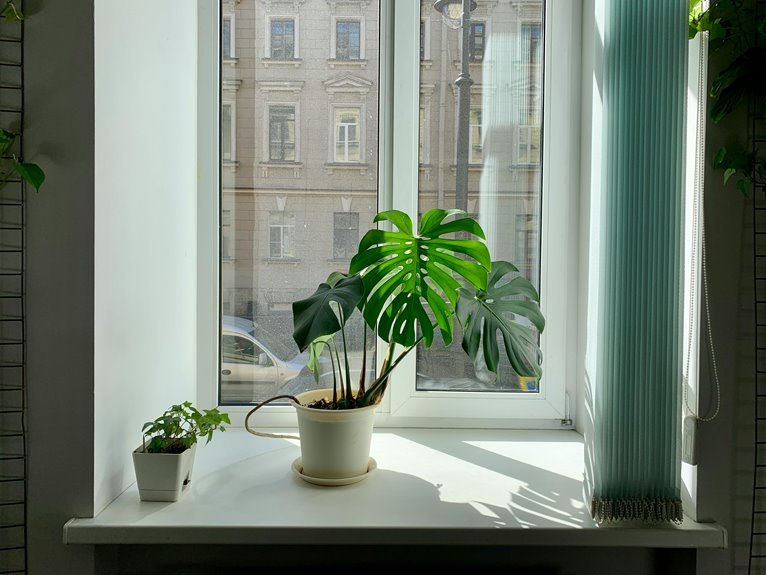
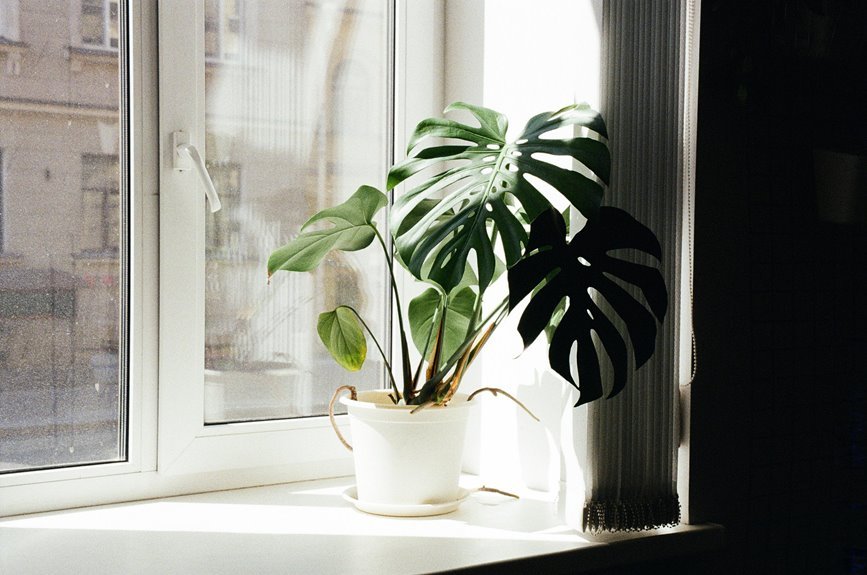
Add Houseplants for a Small Air Boost
While houseplants won’t replace ventilation or filtration, they can add a modest air-quality benefit while making your space feel fresher.
If you already open windows, run exhaust fans, and control humidity, plants can complement that routine. Spider plants, aloe vera, and peace lilies may help remove some indoor pollutants, though effects stay small.
Focus on easy options you can keep healthy. Snake plant benefits include nighttime oxygen release and low-maintenance growth, which makes it a good fit for bedrooms or shared spaces. Peace lily care matters, because stressed plants won’t thrive or support your goals.
Give it indirect light, moderate watering, and good drainage. Choose a few well-placed plants, avoid overwatering, and think of them as part of a welcoming, whole-home air-quality plan for everyone.
Frequently Asked Questions
How Often Should HVAC Air Filters Be Replaced for Cleaner Indoor Air?
Replace HVAC air filters every 1 to 3 months, adjusting the timing for pets, indoor dust, and allergy concerns. Staying consistent with filter changes helps improve indoor air quality and supports a healthier home.
Can DIY Box Fan Filters Effectively Remove Dust and Allergens?
A box fan with a well fitted high efficiency filter can lower airborne dust and capture many common allergens. For better results, combine it with fresh air from open windows when conditions allow, seal any air leaks around the filter, and replace the filter on schedule to keep airflow and particle removal strong.
What Indoor Humidity Level Is Best for Healthy Air Quality?
One household that left windows slightly open noticed less mold. Indoor air stays healthiest when humidity remains between 30% and 50%, because that moisture level helps curb mold, dust mites, and stuffy air, especially when fresh air moves through regularly.
Should Paints and Solvents Be Stored Outside Main Living Areas?
Yes. Store paints and solvents away from rooms where people spend time. This lowers indoor fume buildup and reduces exposure risks. Keep containers tightly sealed in a garage or well ventilated shed to help protect air quality inside the home.
How Can I Test My Home for Radon or Other Gases?
Place a radon test kit in the lowest regularly occupied level of your home and use a detector for carbon monoxide or flammable gas if needed. If readings come back elevated, increase fresh air flow and contact a certified mitigation or safety professional.