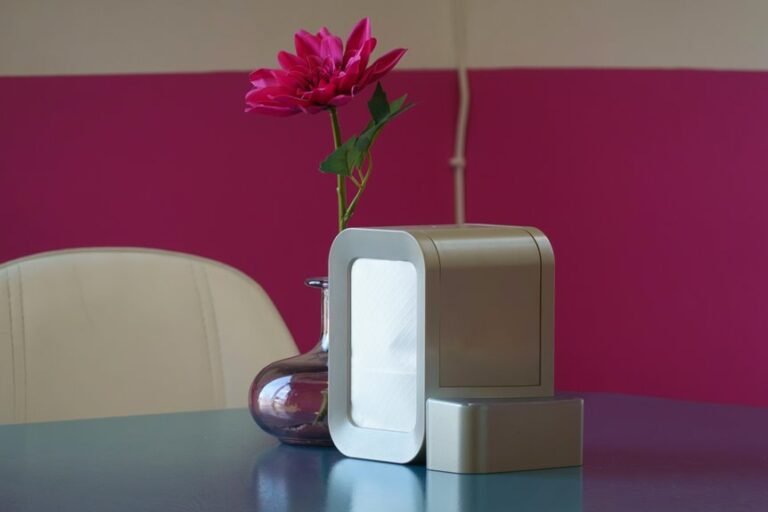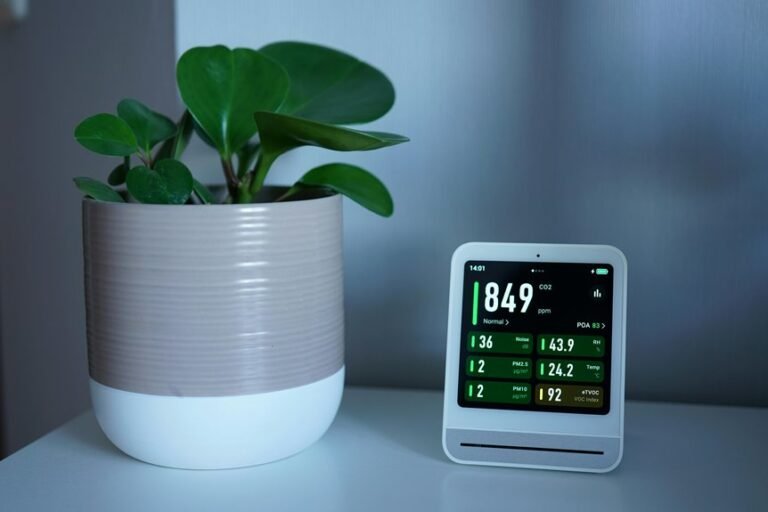


An air purifier helps cut indoor pollution by removing dust, pollen, pet dander, smoke, and PM2.5 from the air. That means fewer harmful particles floating around your home. A true HEPA filter catches many of the tiniest bits before they reach your lungs. Still, the best results come from the right size, filter, and spot in the room.
What Can an Air Purifier Remove?
As you’re trying to breathe easier at home, it helps to know what an air purifier can actually pull out of the air. For many families, air cleaners work best on indoor air pollutants made of particles, not gases. With HEPA filters, you can capture dust, pollen, pet dander, smoke, and fine particulate matter (PM like PM2.5 that drifts deep into your lungs.
That matters because cleaner air helps everyone feel more comfortable and cared for at home. HEPA filters are rated to trap 99.97% of particles 0.3 microns and larger, and studies show portable units can cut particle levels by about 50% to 80%. Some models also target volatile organic compounds (VOCs) with special carbon media. So whenever particles are floating in the air, your purifier can truly help.
What Can’t an Air Purifier Remove?
You should know an air purifier has limits, especially whenever it comes to gases, settled allergens, and radon-related risks.
Even a HEPA filter can’t remove most gases without special media, and it won’t pick up dust, pollen, or dander once those particles have settled on surfaces.
That means you can’t rely on a purifier alone, because some indoor pollution stays put or needs other control methods.
Gases Need Special Media
Why does an air purifier sometimes seem helpful but still leave you feeling uneasy? You’re not imagining it.
Many machines improve air quality (IAQ) through trapping particles in filters, yet gaseous pollutants can still stay in your space.
That means smells from air fresheners, chemicals, and even radon might remain mixed into the air you share with everyone at home.
Settled Allergens Stay Put
Even though your air purifier runs all day, many allergens don’t stay in the air long enough for the filter to catch them. Air purifiers target particulate pollution that remains suspended, so they work best on smoke, dust, and other tiny airborne particles.
That matters in real homes like yours. Larger allergens, including pollen, house dust allergens, some mold, and pet dander, often settle on floors, bedding, and furniture instead of floating around.
Because of that, filters can improve indoor air quality (IAQ) only after those particles get stirred up due to walking, vacuuming, or fluffing cushions. Until then, the purifier can’t remove what’s already sitting still.
Radon Risks Remain
While particle filters can trap dust and smoke, they can’t remove radon gas from your home. That matters because radon is one of the most serious indoor pollutants linked to long-term health risks.
Should you care about your family’s air quality (IAQ), it helps to know that standard air filtration targets particulate air, not gases.
Even though some air cleaners use special media like activated carbon or alumina, experts still can’t confirm that they lower radon exposure or related health risks.
Radon progeny also raise concern indoors, yet their risk reduction through air cleaners remains unclear.
Why Does Particle Size Matter?
Because indoor air doesn’t behave the same for every speck of dust or smoke, particle size plays a big role in what you breathe and where those particles end up in your body. When particles share the same aerodynamic size, they settle at similar speeds. That changes how long airborne pollutants float, how airborne transmission happens, and where they land in your airways.
For you and your household, size shapes risk. Larger particles above 10 μm usually get trapped in your nose or throat and drop out of the air fast. Fine particles below 2.5 μm can reach deep into your lungs, and ultrafine ones might enter your bloodstream. That’s why air filters, especially HEPA air filters, matter. They’re built to capture tiny particles, including PM2.5, that stay suspended longer and are harder to avoid indoors.
Can an Air Purifier Help With Allergies?
That same particle-size issue helps explain allergies, too. If you’re handling sneezing, itchy eyes, or pet dander, a HEPA purifier can support your air quality (IAQ) by trapping tiny airborne particles like dust, pollen, and PM2.5. That makes Air Cleaning a helpful part of improving indoor air quality at home.
Still, you deserve the full view. Many allergy triggers are larger particles that settle on floors, bedding, and furniture instead of staying airborne. So, while a purifier can help, it mightn’t fully stop reactions unless those allergens get stirred up again.
That’s why reducing indoor exposure also means vacuuming, washing fabrics, and controlling sources. For the best support, choose a HEPA unit with strong CADR, match it to your room size, and run it consistently every day for relief.
Can Air Purifiers Remove VOCs and Gases?
If you’re worried about VOCs and other gases, it’s crucial to know that a standard HEPA air purifier won’t remove them.
You need a unit with special sorbent media, such as activated carbon or alumina, because basic filters don’t trap gases like these or radon.
Even then, you should still focus on source control and good ventilation, since air cleaning can only play a supporting role.
Gas Removal Limits
While many air purifiers do a great job catching dust, pollen, and fine particles, they can’t remove gases or VOCs unless they use special media like activated carbon or alumina. That matters for your air quality (IAQ) because some pollutants come from indoor and outdoor air, not just dust.
| What you should know | Why it matters |
|---|---|
| HEPA catches particles | It doesn’t trap gases |
| VOCs need special media | Particle filters alone fall short |
| EPA mentions radon stays | Air pollution exposure can remain |
| Health benefits unclear | Evidence is still limited |
The Environmental Protection Agency (EPA) says cleaners without that media can’t remove gases like radon. Therefore, if you’re trying to protect your home team from gaseous pollutants, know the limits. Even now, health risk reduction for gases and radon progeny remains uncertain.
Special Media Filters
Because gases don’t behave like dust, an air purifier needs more than a HEPA filter to deal with VOCs and other airborne chemicals in your home. When you want stronger indoor air quality, look for special media like activated carbon or alumina. These materials adsorb gases that standard high efficiency particle filters miss.
That difference matters for your air quality (IAQ) because pollutants include VOCs, odors, and other chemicals, not just particles. Still, you deserve clear facts. Air purifiers without special media won’t remove gaseous pollutants, so they can’t lower risks from gases like radon.
Even with special media, research still can’t adequately show whether these units reduce health risks from VOCs, gases, or radon progeny. As you compare models, recall, performance varies, and filters cost more when gas removal media are included.
How Do Air Purifiers Reduce PM2.5 and Dust?
Although PM2.5 and dust are tiny enough to float around your home for hours, an air purifier can pull them in and trap them before you breathe them deeply into your lungs. Inside, HEPA filters catch fine particulate matter and other airborne particles, including dust, pollen, and pet dander, helping your family feel safer together.
That matters because HEPA media captures 99.97% of particles at 0.3 microns and larger, so it’s strong at reducing PM2.5 that can reach your lungs and bloodstream. In real homes, portable air cleaners have cut particle levels about 50% in kids’ bedrooms, and some studies found drops of 69% to 80%. This supports better air quality (IAQ) and indoor air quality.
For best results, match portable air units to your room and replace filters on time regularly.
Where Should You Place an Air Purifier?
You’ll get the best results whenever you place your air purifier in the room you use most, especially where you breathe and spend the longest time.
It should sit near the main pollution source, like pet dander, smoke, or cooking fumes, so it can catch particles faster.
Just make sure you keep it out in the open and away from corners or furniture, because blocked airflow can weaken how well it works.
Near Pollution Sources
When you place an air purifier close to the pollution source, it can catch more of the particles that are actually causing trouble in that room.
That simple move can improve indoor air quality and help your air quality (IAQ) feel safer and more comfortable for everyone sharing the space.
Portable units work best after particles rise into the air, so nearby placement helps reduce airborne PM2.5 and PM10 faster.
- Put it near tobacco smoke, cooking fumes, or dusty hobbies.
- Place it close to pets, pollen, or house dust allergens that get stirred up.
- Choose the room with the strongest source, since one unit usually serves one space.
You still need source control, ventilation and air conditioning, because standard purifiers don’t remove gases like radon.
Together, these steps support healthier indoor air quality.
In Frequently Used Rooms
After placing a purifier near a clear pollution source, the next smart step is to put it in the room you use the most, like your bedroom, lounge room, or home office.
That choice helps your whole household feel supported, because portable units usually clean one space best, not every indoor area at once.
If you spend long hours there, keep it running often to improve air quality (IAQ) and maintain more clean air around you.
A HEPA model can capture fine pollutants in residential spaces, including PM2.5, dust, pollen, and pet dander, which could lower health effects from daily exposure.
In rooms with HVAC, a MERV 13+ or duct-mounted filter can help while the fan runs.
Still, air cleaning supports ventilation and source control; it doesn’t erase indoor pollutants completely.
Away From Obstructions
For the best airflow, place your air purifier in an open spot where air can move freely from all sides. That helps it pull in indoor pollution and push out cleaner air, so your shared space feels fresher and more welcoming.
Keep it away from walls, curtains, furniture, and corners, because blocked intake or exhaust limits air quality (IAQ) gains and can leave particulate matter floating longer.
- Set it near the center of the room.
- Leave space around every side.
- Keep vents clear on portable units and HVAC systems.
This matters most in bedrooms, studies, and classrooms, where you want everyone to breathe easier together.
Once air reaches the purifier easily, it captures dust, pollen, pet dander, and PM2.5 more effectively, which supports respiratory health and creates a healthier room.
How Do You Choose an Air Purifier Size?
How big should your air purifier be? Choose one that matches the room where you’ll use it most. Portable units are most effective in reducing particles in a single space, so large rooms might need a bigger model or more than one. To protect your air quality (IAQ) and total air quality, check the CADR and pair it with your room size. Higher CADR means faster cleaning.
Next, consider the filter. A HEPA filter helps you handle fine particles like PM2.5, including some from outdoor pollution, because it traps 99.97% of particles 0.3 microns and larger.
Should you’re filtering a whole house through HVAC, look for at least MERV 13. During wildfire smoke or other heavy pollution, a properly sized unit could need to run nonstop and get new filters sooner.
Which Air Purifier Features Matter Most?
Once you’ve matched an air purifier to your room size, the next step is looking at the features that actually improve your air, not just the ones that sound impressive on the box.
You want features that protect your group’s air quality (IAQ) and support human health, especially whenever Pollution, outdoor particles, or respiratory diseases are concerns. Focus on what truly works:
- Choose a true HEPA filter. It captures 99.97% of particles at 0.3 μm, including PM2.5, dust, pollen, and pet dander.
- Check CADR. A higher rate clears single-room air faster, and bigger spaces might need multiple units.
- Avoid ozone or ionization. These can add risk, not relief.
Also, watch filter ratings and upkeep. MERV 13 beats MERV 8 in HVAC systems, and timely replacements keep performance strong for your family.
How Can You Improve Indoor Air Without a Purifier?
Better indoor air doesn’t always start with a purifier. You can improve air quality (IAQ) via controlling sources first. Cut back on cooking smoke, heating fumes, tobacco smoke, incense sticks, mosquito coils, air fresheners, harsh cleaners, and building materials that affect household indoor spaces. These steps lower the effects of indoor pollution on the air we breathe.
Next, bring in fresh outdoor air once it’s clean, because ventilation helps dilute pollutants. Whether you live in a busy urban area, filter incoming air when possible.
Also, dust gently, vacuum often, and avoid stirring up pollen, pet dander, mold, and dust mite allergens. Finally, keep your HVAC system maintained and upgrade filters to MERV 13 or higher. The smart Use of air systems helps your home feel healthier, safer, and more welcoming every day.
Frequently Asked Questions
How Often Should an Air Purifier Run Each Day?
Run your air purifier as much as possible throughout the day. For the best results, keep it running continuously, choose one rated for your room size, switch to sleep mode at night, and avoid turning it on and off too often so the air stays cleaner.
Do Air Purifiers Increase Electricity Bills Significantly?
Air purifiers rarely add much to an electricity bill. The cost depends on the unit’s wattage, energy efficiency, and how many hours it runs each day. To keep electricity use lower, choose an efficient model and use lower fan settings when possible.
Are Water-Bath Air Purifiers Harder to Maintain?
No, water bath air purifiers are not harder to maintain. Instead of tracking filter replacements, you will mainly handle water changes. Costs can be lower, but the routine involves more frequent cleaning and regular upkeep.
Can Air Purifiers Be Used Safely Around Pets?
Yes, air purifiers can be used around pets, but choosing the right one matters. To keep pets safe, avoid ozone producing units, check that the filter intake is secure, consider how sensitive your pet is to noise, place the purifier where curious paws and noses cannot get too close, and keep it away from toxic plants.
How Long Does It Take to Notice Cleaner Indoor Air?
You may notice cleaner indoor air within minutes to a few hours as airborne particles begin to decrease. Breathing can start to feel easier fairly quickly, while odors usually take longer to fade based on room size, airflow, and the source of the smell.