

Most air purifier filters need replacing every 3 to 6 months. HEPA and carbon filters wear out at different rates, based on air quality, pets, smoke, and daily use. A weaker airflow, lingering odors, and extra dust are common signs that it’s time for a fresh filter. Changing it on time helps your purifier keep your air cleaner and fresher.
What Does an Air Purifier Filter Do?
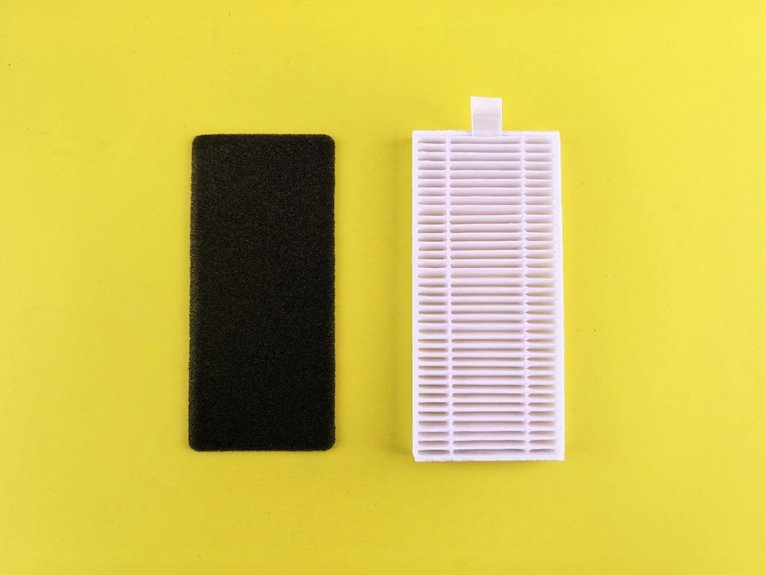
Regard of the filter as the hardworking heart of your air purifier, because it’s the part that actually pulls unwanted stuff out of the air you breathe. Whenever you use air purifier filters, you create a more comfortable space for everyone at home. A HEPA Filter catches tiny particles like dust, pollen, and pet dander, helping your purifier send out cleaner air you can truly feel good about.
At the same time, Activated carbon filters handle what particle capture can’t. They adsorb odors, smoke, gases, and VOCs, so your room feels fresher and more welcoming. As filters collect more particles, airflow drops, and your purifier can’t clean as well.
That’s why the filter matters so much. It does the real cleaning work every day and makes filter replacement an essential part of keeping your shared air fresh.
How Often Should You Replace the Filter?
Once you know your filter does the real cleaning, the next question is how often you should replace it so your purifier keeps working the way you expect. Most units need to replace filters every 3 to 6 months, and many brands set a 90-day plan in their manufacturer guidelines.
- HEPA filters often last 6 to 12 months, while carbon filters last 3 to 6.
- Pre-filters need regular cleaning every 1 to 3 months to help Replace Your Air well.
- Homes with pets, smoke, cooking, pollen, or dust can mean it’s Time to Replace sooner.
- When airflow drops, smells stay, lights blink, or the filter is visibly dirty, you likely need to replace it.
Even before a clogged filter looks bad, tiny buildup can slow cleaning and make your group breathing space feel less fresh.
Does Filter Type Change Replacement Timing?
Yes, filter type changes your replacement schedule, so you can’t treat every purifier filter the same.
You’ll usually replace HEPA filters less often than carbon filters, while pre-filters need more regular cleaning because they catch bigger dust and hair initially.
As you compare HEPA vs. carbon timing, it also helps to watch your pre-filter closely, since dirt buildup can shorten the life of the filters behind it.
HEPA Vs Carbon
Because filter material does different jobs, it also changes how often you’ll need to replace it. Your HEPA filters usually last 6 to 12 months because they catch dust, pollen, and pet dander. Activated carbon filters often need Replace sooner, about every 3 to 6 months, since they absorb odors, smoke, and chemicals that affect indoor air quality.
- HEPA works best for particles, but dirty filters can choke airflow and weaken cleaning.
- Activated carbon fills up faster in homes with pets, cooking, smoking, or fumes.
- If you notice odors, gray color, low airflow, or stronger allergies, replace your filter early.
- During pollen season or in dusty rooms, both filters may need faster changes.
When you replace the right filter on time, your space feels fresher, healthier, and more welcoming for everyone.
Pre-Filter Care Timing
Filter type does change your care schedule, and the pre-filter needs attention initially.
In most homes, pre-filters need the earliest filter replacement care. You should check the filter every 1 to 3 months, because these layers catch big dust first. If yours is washable, clean it and dry it fully. If not, vacuum it or change the filter when instructions say.
That timing shifts with your home life. Pets, smoking, cooking, and heavy dust can fill pre-filters faster, so inspect filters regularly. Clogged filters often look gray, dirty, or packed tight, and airflow may drop too. When that happens, don’t wait for a date. Act right away. Compared with pre-filters, HEPA filters often last 6 to 12 months, while carbon filters usually need care every 3 to 6 months.
What Shortens Air Purifier Filter Life?
Your filter wears out faster when your home has pets, smoke, cooking fumes, or other heavy particle sources in the air.
Should you run your purifier all day, use it in a large room, or live near traffic, smog, or seasonal pollen, you’ll likely need a replacement sooner than the usual schedule.
As that buildup grows, your filter clogs, airflow drops, and your purifier can’t protect your air as well.
Pets, Smoke, Cooking
Whenever pets shed, smoke drifts through the air, or cooking sends grease and odors around your home, your air purifier has to work much harder than usual. That means filter replacements may come sooner than every 36 months, and sometimes much sooner.
- Pet dander and visible hair can clog the filter, weaken airflow, and create early Signs It’s Time.
- Smoke from cigarettes or wildfires can overload filters, so they trap fewer tiny particles like pollen, bacteria, and mold spores.
- Cooking, candles, fireplaces, and cleaners add grease, odors, dust, and VOCs that saturate carbon and replace HEPA needs faster.
- If your home feels shared with pets, meals, and everyday life, you’re not doing anything wrong. Your purifier is simply supporting your space, and some systems need changes every 90 days.
Heavy Use Patterns
Even though you don’t have pets, smoke, or heavy cooking every day, simple use patterns can still wear a filter out faster than expected. If your purifier runs all day, the filter gets packed sooner than one used only at night. In a busy home, that means you may need to change it earlier.
Also, big rooms, tall ceilings, and moving the purifier between spaces make it process more air. Then the unit must work harder, and filters need closer checks.
During spring pollen or smoky weeks, a filter is clogged faster, even before the usual schedule. If you’re wondering, often should I change it, watch airflow, odors, and dust. Regular replacement ensures your purifier keeps supporting the clean, comfortable home you want and helps everyone breathe easier together daily.
Outdoor Pollution Exposure
Beyond what happens inside your home, outdoor pollution can wear out an air purifier filter much faster than many people expect. When you live near traffic, smog, wildfire smoke, or spring pollen, your air purifier pulls in more particles, so replacement often comes sooner.
- Fine particles from outside raise indoor air pollution fast.
- HEPA and carbon filters are designed to trap them, but they clog sooner.
- Less airflow means your air purifier filter guarantees weaker cleaning while the unit works harder.
- Even though the filter looks clean, microscopic buildup means it might need to be replaced sooner.
Because of that, your community’s air quality matters. Provided that you live in a high-pollution area, check filters more often and replace your air purifier filter on time, so your home keeps feeling safe and shared.
What Are the First Signs You Need a New Filter?
How can you tell your air purifier needs a new filter before it stops helping? You’ll usually notice small changes initially. Weak airflow, odd noises, or a purifier that doesn’t seem as strong can indicate it’s time. Since your air filter is essential to breathe easier, these shifts matter.
You may also see more dust or pet dander around your shared spaces, or notice musty odors that make maintaining clean air harder.
If allergy symptoms flare up, like sneezing, coughing, or tight breathing, your filter might become clogged and stop trapping irritants well. A gray, dust-packed filter is another clear warning. And if you can’t recall your last replacement, you’re not alone. Check the maker’s schedule, because many filters need changing every 90 days to 6 to 12 months.
Can an Air Purifier Filter Look Clean but Be Clogged?
Yes, your air purifier filter can look fairly clean and still be clogged. Tiny, trapped small particles like pollen, pet dander, and dust hide deep in the fibers, so you can’t always see the problem. If you need an air purifier for clean air, appearance alone won’t tell you much.
- Your Filter Needs attention whenever allergy sufferers start sneezing more, even whenever the filter looks only lightly dusty.
- Musty smells, extra dust, or odd sounds can mean it’s time to replace your air purifier filter.
- Timing matters too. Many filters need changing every 3 to 6 months, and some every 90 days.
- Checking both performance and schedule helps with ensuring your purifier operates like it should, so your home keeps feeling fresh, safe, and welcoming for everyone around you daily.
Why Does a Clogged Filter Reduce Airflow?
Even though your filter still looks fairly clean, clogged pores can choke the airflow and make your purifier struggle. In your air purifier, the filter traps particles like dust, pet dander, and debris including pollen.
As those materials pack into tiny openings, even microscopic particles can block the path that air needs to move through.
Because of that buildup, your purifier’s fan has to work harder to pull and push air. Then you might notice weaker airflow, less clean air moving around your room, or even odd sounds from extra motor strain. A packed filter can also let some unwanted particles slip back into your shared space instead of staying captured.
That’s why regular replacement, often every 3 to 6 months, is essential for maintaining strong airflow and helping your purifier support everyone at home.
Can an Air Purifier Filter Cause Musty Smells?
When your air purifier filter gets clogged, it can start giving off a musty smell instead of helping your air feel fresh. That happens once dust, pet dander, and even mold spores collect inside and linger in your home air. Once airflow drops or the unit sounds odd, you may know it’s time.
- A gray, packed filter often holds odor-causing buildup.
- Activated carbon helps, but it saturates and stops trapping smells.
- Check the filter on a regular schedule so odors don’t settle in.
- Replacing your filter every 90 days, or as directed, can improve indoor air.
Once the smell turns musty, you’re not alone. Many households deal with this. Staying consistent with replacing your filter helps your purifier support the clean, welcoming space you want daily.
Can an Old Air Purifier Filter Worsen Allergies?
That same filter buildup that causes a musty smell can also make your allergies flare up. As your Air Cleaner gets clogged, air purifiers can’t trap allergens well anymore. Instead of helping your space feel safe and fresh, old filters reduce cleaning power and can let irritants recirculate, including dust, pollen, and pet dander.
You could notice weaker airflow, less air output, stale odors, visible dust, or more fur around your room. Those changes can trigger more sneezing, coughing, itchy eyes, and other allergy or respiratory issues. Some buildup includes particles as small as microscopic debris, so the filter can look fine even though it isn’t.
Should your symptoms be getting worse and you can’t recall your last change, your filter can be part of the problem. You aren’t alone in missing those signs sometimes.
What Happens if You Wait Too Long?
If you wait too long to replace your air purifier filter, trapped dust, pollen, pet dander, and other particles keep piling up until the filter gets clogged and can’t clean the air well anymore. Then your purifier pushes less air, uses more energy, and may wear out faster, which isn’t what any home needs.
- Your Cleaner air fades, so rooms may feel dusty and smell stale.
- Your filter may look okay, but harmful buildup can still hide inside, so it’s smart to see checks as routine.
- Allergy and asthma troubles can flare, and you deserve a space where breathing feels easier every day.
- Time matters. Most filters need changing every 3 to 6 months, not every 12 months, unless your purifier manual says so.
That way, your whole home feels more comfortable, safe, and welcoming.
How Can You Make Air Purifier Filters Last Longer?
How can you help your air purifier filter last longer without giving up clean air? You can by using your air purifier only when you need it, especially in spaces that already feel fresh. That simple habit can extend the life of the filter and help your purifier operates efficiently day after day.
Just as important, keep pre-filters clean every 1 to 3 months. Vacuum or wash them so they catch dust and pet hair before the main filter does. Also, filters depends on your room size, so use the unit where it fits best.
Cut back on smoking, candles, and smoky cooking indoors. To ensure your air purifier keeps working well, check when filters should be replaced regularly. That way, replacing your air purifier filter happens on time, not too late.
Frequently Asked Questions
Can You Wash and Reuse an Air Purifier Filter?
Most air purifier filters are not designed to be washed and reused because the filter material can break down and lose effectiveness. Check the manufacturer’s instructions, since only washable filters can be cleaned and reused a limited number of times. Washing the wrong type can reduce filtration performance and restrict airflow.
Are Generic Replacement Filters Safe to Use?
Yes, you can use generic replacement filters safely if the filter matches your purifier model, seals properly, uses reliable materials, meets recognized certification standards, maintains proper airflow, and does not reduce performance or affect your warranty, so your purifier continues delivering the air quality you expect.
How Do You Reset the Filter Replacement Indicator?
Reset the filter replacement indicator after installing the new filter. Use your model’s reset steps or button sequence to clear the light, reset the display, and restart the filter timer.
Should You Replace Filters After Wildfire Smoke Exposure?
Yes, you should replace filters after wildfire smoke exposure because smoke residue, trapped particles, lingering odor, and reduced filter performance make replacement more urgent. This step helps restore cleaner indoor air and supports thorough post fire maintenance.
Do Unused Replacement Filters Expire in Storage?
Yes, unused replacement filters can deteriorate while in storage. Check the recommended shelf life, keep them in a clean and dry space, inspect the packaging for damage, limit exposure to humidity and dust, and follow the manufacturer’s storage instructions.