

Air purifier airflow design shapes how clean air moves through your room. Good airflow helps the unit pull in dirty air and send filtered air farther across the space. Placement, height, and room size all affect circulation. Even a small move or a nearby fan can help your purifier work better.
How Does Air Purifier Airflow Clean a Room?
Whenever an air purifier runs, it cleans your room in a simple loop: it pulls in dirty air, pushes that air through a filter or sorbent layer that traps particles and gases, and then sends cleaner air back out so the whole room keeps mixing.
That steady airflow matters because your space works best where everyone shares cleaner air, not just the corner near the machine. Good circulation helps the air purifier catch more floating particles, while air filtration lowers their concentration over time.
Should you place the unit a bit higher, often 3 to 5 feet up, it can better clean the air you actually breathe. HEPA filters are especially strong at trapping suspended particles, so they support better indoor air quality (IAQ). Together, smart airflow and filtration make your room feel fresher, calmer, and more welcoming daily.
How Much Airflow Does Your Room Need?
To figure out how much airflow your room needs, you should match the purifier’s CADR to your room size and the air changes per hour you want.
If your room is larger, more crowded, or has more dust and smoke, you’ll need stronger airflow to keep clean air moving through your breathing zone.
And if air gets stuck in corners, you might need more than one unit or better placement so the purifier can circulate air freely.
Room Size And CADR
One simple rule can save you from buying the wrong air purifier: match the unit’s CADR, or clean air delivery rate, to the size of the room where you’ll use it. That helps your portable air purifiers support indoor air quality (IAQ) with enough airflow for the space.
| Room | Need | Tip |
|---|---|---|
| Small | Lower CADR | Keep path open |
| Medium | Mid CADR | Center helps |
| Large | Higher CADR | Avoid corners |
| Crowded | More airflow | Check air filters |
| Stuffy | Higher ventilation rates | Watch cubic feet per minute |
Because one purifier usually serves one room, you’ll want a unit sized to that room’s volume. If more people share the space, pollutants and CO₂ rise faster. Strong airflow can cut CO₂ by over 40%, but only if placement stays clear and circulation stays free.
Air Changes Per Hour
Room size tells you the space your purifier has to cover, and air changes per hour, or ACH, tells you how often that air gets cleaned. When your ACH goes up, your air purifier refreshes room air more often, which improves circulation and removes pollutants faster. That helps your space feel healthier and more welcoming.
To estimate airflow, match the unit to your room volume, occupancy, and pollution level. In shared spaces, ventilation matters too. Many buildings track CO2 and aim for over 10 L/s per person while keeping levels near 800 ppm.
Your air conditioning (HVAC) system, outdoor air supply, and purifier work best together. One study found purification cut CO2 by over 40% and reduced fresh-air demand by over 50%. If airflow stalls in corners, add another unit and leave clearance around each purifier.
Where Should You Place an Air Purifier?
Where you place your air purifier can matter just as much as the unit you buy.
You’ll usually get the best results by setting it in a central, open spot with enough clearance, then choosing table or floor placement based on the particles you want to catch.
In case your room has stale corners or weak airflow, you could also need to position more than one unit so clean air reaches where you actually live and sleep.
Best Room Locations
For the best results, place your air purifier in a central, open spot where air can move freely around it, because blocked intake or exhaust cuts down circulation and makes the unit work harder for less cleanup. That setup supports stronger airflow, better air cleaning, and healthier indoor air quality (IAQ) for everyone sharing the room.
- Place it about 3 to 5 feet high to target your breathing zone and protect it from kids and pets.
- In bedrooms, keep the air purifier near your bed so cleaner air reaches you while you sleep.
- In busy spaces like kitchens, foyers, and living rooms, place it near pollution sources, with open clearance.
- Should a room have stagnant corners or weak circulation, add a second unit so your whole space feels fresher together.
Table Vs Floor
Once you’ve picked a good open spot, the next question is height: should your air purifier sit on a table or stay on the floor?
For stronger indoor air quality improvement, place your air purifier on a stable table about 3 to 5 feet high. That height keeps it in your breathing zone, so it catches airborne pollutants and airborne particles before they spread. In shared, busy rooms, that helps your space feel fresher and more welcoming.
| Placement | What you imagine | Best use |
|---|---|---|
| Table | Clean air moving around faces | Better air circulation |
| Floor | Dust pulled in near rugs | Heavier debris |
| Center spot | Air reaching everyone | Using an air purifier well |
Floor placement can grab coarse dust, but it also pulls in fur and dirt faster. So, whether airflow is weak or activity is high, go raised.
Clearance And Airflow
Even a strong air purifier can struggle whenever you crowd it, so give it open space on every side and let air move in and out without a fight.
Whenever you place your air cleaner where airflow stays open, you help air circulation, protect indoor air quality, and let the filter media work like it should.
- Put the air purifier near the room’s center whenever paths stay clear.
- Raise it 3 to 5 feet high to reach your breathing zone better.
- Keep it out of corners, alcoves, and behind furniture where air gets stuck.
- In busy rooms with weak airflow, use placement that supports free movement, or add a second unit.
That way, your space feels fresher, more balanced, and easier for everyone to share comfortably each day.
Should You Put It on the Floor or a Table?
Where you place your air purifier matters more than most people believe, because airflow is what lets it do its job well. If you want stronger indoor air quality, choose a spot where air purification technologies can circulate air without blockage.
A table often works best. At about 3 to 5 feet high, it reaches your breathing zone and catches airborne pollutants more easily while supporting better air ventilation and a sense of Fresh air.
Still, floor placement can fit some homes. It could help capture heavier dust that settles low, especially when your unit has clear space around it. But floors also collect more fur, dirt, and debris, so filters may clog faster.
In bedrooms or child and pet areas, you’ll usually feel safer and more supported with a stable, raised surface that follows manufacturer guidance.
How Do You Avoid Drafts and Dead Zones?
To avoid drafts and dead zones, place your air purifier in a spot where air can move around it from all sides, not tucked against a wall, jammed into a corner, or trapped behind furniture.
That setup supports clear circulation, helps your airflow reach more of the room, and keeps the breathing zone cleaner for everyone.
- Put it in a central or raised spot, about 3 to 5 feet high.
- Keep the outlet from blowing straight at people walking or sitting nearby.
- Leave open space around the air purifier, away from clutter, damp areas, and low furniture.
- In bigger rooms, use multiple units or four-way airflow to reduce dead zones.
This way, your group enjoys steadier cleaning, and particulate matter (PM) is less likely to linger or settle back.
How Can Fans Improve Air Purifier Airflow?
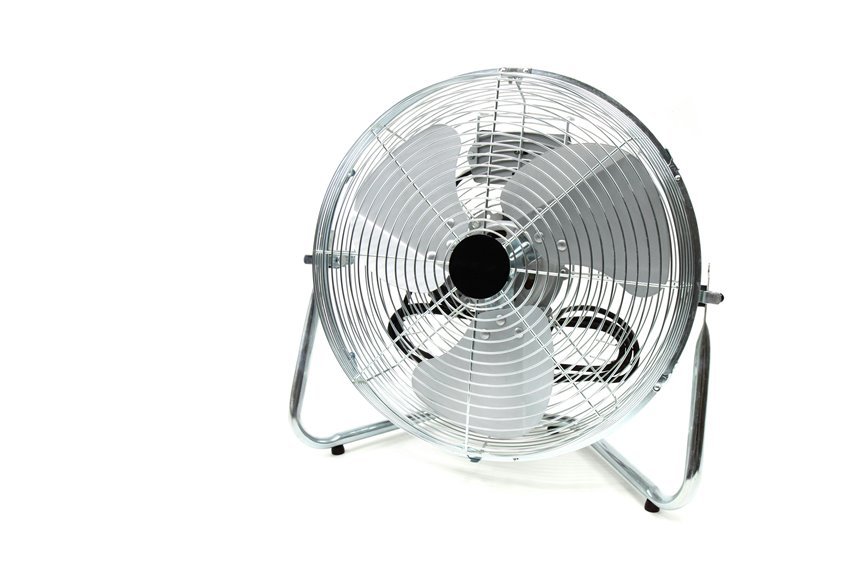
Because an air purifier can only clean the air that reaches it, fans help via keeping the whole room moving so dusty, stale air gets pulled into the unit faster and clean air spreads farther. That matters in indoor spaces where people gather, especially near alcoves, corners, or furniture that blocks airflow.
You’ll get better results whenever you keep the purifier’s air intake clear and pair it with a fan that supports ventilation and air conditioning flow, not fights it. In many rooms, raising the purifier 3 to 5 feet keeps it in your breathing zone, where it can capture pollutants more effectively.
Four-way fan movement can spread cleaner air wider than one-way flow. And whenever airflow is strong enough, particles lift and move toward filtration faster. It also supports HVAC circulation without relying on outside air alone.
When Should You Open Doors and Windows?
While your purifier works best with steady airflow, opening doors and windows helps most whenever the air outside is cleaner than the air inside. That shared habit can improve indoor air quality and help everyone breathe easier together. Use natural ventilation wisely so indoor air pollutants drop instead of spreading.
- Open opposite windows or doors to create a cross-breeze. This enhances air exchanges better than one opening alone.
- Vent during cooking, painting, sanding, or using gas appliances. These moments raise indoor air pollution fast, so source control matters.
- Keep interior doors open whenever weather allows. That helps cleaned air move room to room.
- Close windows and doors whenever outdoor air is dirty, humid, or extreme. Otherwise, natural ventilation can weaken purifier performance and raise energy use indoors.
What Air Purifier Airflow Mistakes Should You Avoid?
Where people go wrong most often is with placement that chokes airflow instead of helping it move through the room. Whenever you want your space to feel healthier for everyone, don’t block the intake or exhaust. Your purifier needs clearance to move enough air volume and lift airborne particles into its filter.
Just as crucial, don’t tuck it into a dead corner or aim it straight at one person. That creates a draft instead of better mixing in the breathing zone, so removal efficiency drops. Place it about 3 to 5 feet high whenever possible, because Pollutants captured improve when the unit is used properly. Also match the airflow pattern to the room. Four-way flow often beats one-way flow, helping lower PM) concentrations and improve cleaner circulation across your shared space.
Frequently Asked Questions
How Noisy Should an Air Purifier Be at Higher Fan Speeds?
At higher fan speeds, an air purifier should sound strong enough to show it is moving air effectively, but not so loud that it becomes irritating or makes you want to turn it off. The best range is a moderate decibel level that supports solid airflow while keeping the sound comfortable for everyday use.
Do Smart Sensors Improve Air Purifier Airflow Performance?
Yes. Smart control reduced CO2 by more than 40%, which points to stronger airflow performance. Sensor responsiveness, pollutant detection, adaptive control, filter feedback, airflow optimization, and improved circulation help keep the air cleaner while using less energy.
Can Air Purifier Airflow Affect Indoor Humidity Levels?
Airflow from an air purifier can slightly change how humidity feels indoors by helping moisture spread more evenly, cutting down on stale damp spots, and making evaporation happen faster. It does not remove enough moisture to dry out the air by itself, and seasonal conditions still have the biggest effect on comfort.
How Does Airflow Design Impact Energy Consumption Over Time?
You improve energy efficiency by optimizing airflow balance, which lowers filter resistance, cuts operating costs, reduces motor wear, and supports long term savings while creating healthier, more comfortable shared spaces.
Are Airflow Patterns Different for Pets, Smoke, or Dust?
Yes. Pet dander and odors usually move close to the floor and around furniture, while smoke tends to rise and spread higher in the room. Dust often circulates through normal air movement and settles on surfaces before becoming airborne again. You can improve capture by placing a purifier at the right height and near the main source.