
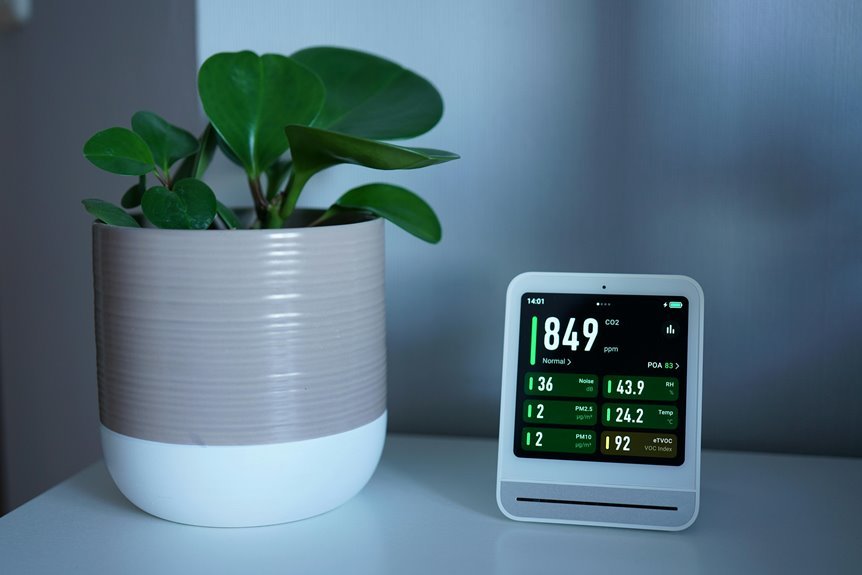

An air purifier works best in an open spot with good airflow around it. A central location, a little height, and some space from walls help it clean the air more effectively. Bedrooms and main rooms often work well, while corners and blocked areas do not. A few small placement changes can make a big difference, and this guide shows where to put it for the best results.
What Is the Best Air Purifier Placement?
Where should you put an air purifier to get the best results? Place it near the center of the room, where air can move freely around it. You’ll get stronger circulation, better airflow, and cleaner air reaching everyone, not just one corner. Keep 3 to 5 feet open in front and a few inches clear on each side so your purifier can work at full strength.
Next, consider height, because raised placement basics matter more than most people expect.
Set the unit about 3 to 5 feet off the floor on a sturdy table, dresser, or nightstand.
That setup supports room height benefits by pushing clean air closer to where you breathe and helping the purifier catch floating particles sooner. With the right spot, your space feels fresher, calmer, and more welcoming every day.
Air Purifier Placement Near the Pollution Source
After you’ve chosen a central, raised spot, the next step is to move the purifier closer to the pollution source whenever one area clearly causes the problem.
This helps you clean the air where your household feels it most, so everyone can breathe easier together.
Use source targeting when one zone creates most of the mess.
Put the unit near a litter box, pet bed, cooking area, damp basement wall, or the window that lets pollen drift in.
That approach tackles pollutant hotspots before they spread across the room.
When odors sneak in from one vent or wall, shift the purifier there and let it catch them sooner.
You’re not giving up whole-room comfort.
You’re helping your space support the people in it, especially in the spots where your family gathers, rests, and lives each day.
Air Purifier Placement: Leave Space Around It
You’ll get better results whenever you leave open space around your air purifier so it can pull in and push out air with ease.
Keep it away from tight corners, walls, curtains, and furniture, because blocked airflow makes it work harder and clean less.
As you choose the spot, give it proper clearance on all sides so your purifier can do its job well.
Maintain Proper Clearance
Even though air purifiers look compact, they need breathing room to clean the air well. Give your unit open space so air can move in and out without strain. A good rule is at least 6 inches from walls and furniture, plus 3 to 5 feet of open space in front. That simple setup helps your purifier pull in more dirty air and send out cleaner air where your family gathers.
Just as essential, keep curtains, baskets, and decor from crowding the vents. Tidy filter maintenance also matters, because a clogged filter slows airflow even whenever placement is right.
Smart cord management helps too, since a neat cord path keeps the area safer and makes it easier to preserve that clear zone. Whenever you give your purifier space, your home feels fresher and more welcoming.
Avoid Tight Corners
Although a corner might seem like a neat, out-of-the-way spot, it can choke your air purifier’s airflow and keep it from cleaning the room well. When you avoid corner crowding, you give the unit a fair chance to pull in air from more than one direction. That helps your space feel fresher, faster, and more evenly cared for.
| Spot | Feels Like |
|---|---|
| Tight corner | Stuck in traffic |
| Open area | Room to breathe |
That’s why wall adjacent placement also needs care. If your purifier sits too tucked in, it can’t circulate air smoothly through the room. You want it included in your room’s flow, not isolated at the edges. A more open position helps everyone in your home enjoy cleaner air together, and it makes your purifier feel like part of the team.
Prevent Airflow Blockage
Open placement matters, but the space around your air purifier matters just as much.
If you want cleaner air to reach everyone in the room, give the unit room to breathe. Leave at least 6 inches from walls and furniture, plus wider airflow gaps in front whenever possible. That open zone helps it pull in stale air and send fresh air back out.
Next, watch for common obstruction types that quietly cut performance. Curtains, sofas, shelves, baskets, and even decor can block intake or exhaust. Heat sources and electronics can interfere too, so keep some distance.
As you make space, your purifier can work closer to its rated power and support the whole room better. Small changes help your home feel healthier, calmer, and more welcoming for everyone who shares it, every single day.
Should You Put an Air Purifier by a Window?
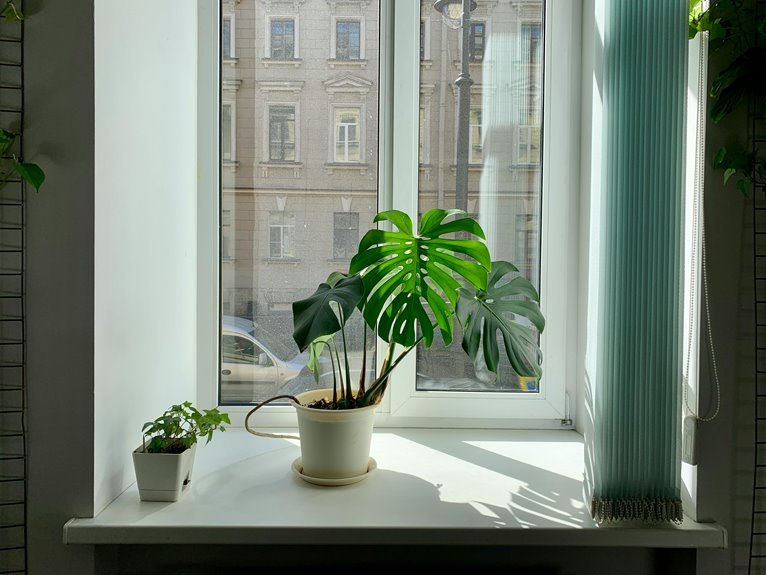
When you’re curious whether an air purifier belongs beside a window, the answer is yes in some cases, but placement only works well when you do it with care. Putting it nearby can help with seasonal allergen interception, especially when pollen, dust, or outdoor smoke tends to drift inside.
Still, you’ll get better results when you pay attention to window airflow patterns. Place the purifier close enough to catch incoming particles, but not so tight against curtains, blinds, or the wall that airflow gets blocked. Give it a little breathing room on every side.
If your window stays open often, the purifier might work harder because new pollutants keep entering. In that case, you’re helping your space, but you’re not giving the unit an easy job. A balanced setup helps everyone breathe easier together.
Best Air Purifier Placement in Bedrooms
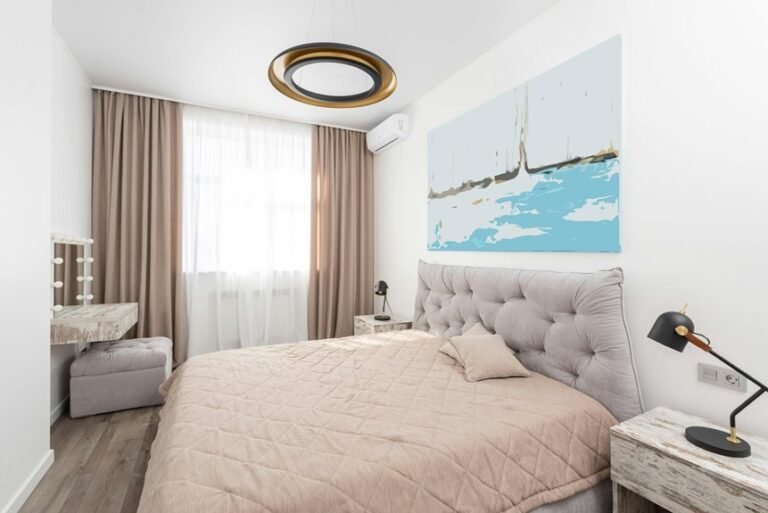
Bedroom placement matters even more because this is the room where you spend hours breathing the same air each night. To help your whole room feel fresher, place your purifier 6 to 10 feet from your bed, with the intake facing your sleeping area. Keep it raised, ideally 3 to 5 feet high, for better sleep comfort.
- Use a nightstand setup when it gives the unit open airflow.
- Leave 3 to 5 feet clear in front and several inches on each side.
- Skip corners, curtains, and walls that choke circulation.
That balance helps you create a bedroom that supports deeper rest and cleaner breathing.
When you share your space, this setup helps everyone feel more at ease, not blasted by airflow, just quietly supported through the night, with less dust around you.
Best Air Purifier Placement in Living Rooms
In your sitting room, place your air purifier near the center so air can move freely through the whole space. Keep it a safe distance from walls and furniture, because tight corners can choke airflow and cut its cleaning power.
For the best everyday comfort, set it near your seating area so you can breathe cleaner air where you relax most.
Central Room Positioning
Because airflow needs room to move, the best spot for an air purifier in your lounge room is usually near the center of the space, close to where people sit but not pressed against a wall or shoved into a corner. That setup supports centered airflow, helps the unit clean the whole room more evenly, and keeps your shared space feeling fresh and welcoming for everyone.
- You give the purifier better access to the room’s full air volume.
- You improve cleaning speed, with central placement often outperforming corner spots.
- You support room symmetry, so the unit feels like part of the space, not an awkward add-on.
If possible, raise it to breathing height on a sturdy table. Then the clean air reaches your group faster, so your lounge feels more comfortable, calm, and truly lived in.
Distance From Walls
While a central spot helps your purifier reach more of the room, the gap around the unit matters just as much. Should you place it too close to a wall, airflow gets trapped, and your purifier can’t pull in and push out air the way it should. Good wall spacing gives the fan room to breathe, so your residence room feels fresher for everyone gathered there.
Aim for at least 6 inches from walls and a few feet of open space in front. That setup supports stronger circulation and helps the unit clean air at its full rate.
Equally vital, maintain solid furniture clearance. Keep sofas, shelves, curtains, and tables from crowding the intake or outlet. Whenever you give your purifier breathing room, it works harder for your whole shared space, not just one tight corner.
Near Seating Areas
Once you’ve given your air purifier enough space from walls and furniture, place it near the seats your family uses most. This helps clean air reach the people gathered there faster, so your family room feels more welcoming and shared.
- Set it beside the main sofa or favorite chairs, not behind them, so seating zone airflow stays strong.
- Keep a few feet of open space around it, which supports a comfort focused arrangement and steady circulation.
- Aim the clean air path toward where you talk, read, or watch TV, so everyone enjoys the benefit together.
This placement works especially well in busy family rooms because you spend the most time there. You create a healthier spot for relaxing, connecting, and simply being together without the purifier feeling like an awkward guest nearby.
Best Air Purifier Placement in Kitchens
For the best results in your kitchen, place your air purifier near the main source of smoke, grease, and cooking odors, but not so close that heat or splatter can reach it. This gives you stronger cooking odor control and better grease particle capture while keeping airflow steady for everyone gathered there.
| Spot | What you notice |
|---|---|
| Near the stove, a few feet away | Air feels fresher after meals |
| On a sturdy counter | Purified air reaches your breathing zone |
| With open space around it | The unit pulls in kitchen air smoothly |
Because kitchens create fast bursts of pollution, your purifier works best on a counter or shelf about 3 to 5 feet high. Keep space around it, and you’ll help your kitchen feel cleaner, calmer, and more welcoming.
Air Purifier Placement Mistakes to Avoid
Even a strong air purifier can struggle if you place it in the wrong spot, so avoiding common setup mistakes matters just as much as picking a good unit. When you want your home to feel fresher for everyone, small placement errors can hold you back.
- Don’t tuck it into corners, behind furniture, or tight shelves. Blocked airflow makes your purifier work harder and clean less.
- Don’t place it too close to walls, curtains, heat sources, or electronics. You also want to avoid power source issues that limit where you safely plug it in.
- Don’t leave it on the floor if a table works better, and don’t ignore incorrect filter maintenance. A clogged filter can make even the best setup feel disappointing.
With a few smart fixes, you’ll create a cleaner, more welcoming space your whole household can enjoy.
How to Maximize Air Purifier Performance
Good placement avoids the biggest problems, and the next step is making every bit of clean airflow work harder for you. Keep your purifier running where your group gathers most, with open space around it so air can move freely and everyone feels the difference.
Then raise performance with simple habits that fit your routine. Place the unit about 3 to 5 feet high, close doors and windows when outdoor air is poor, and use the right fan speed for cooking, pets, pollen, or sleep. Stay consistent with filter maintenance, because a clogged filter makes your purifier work harder for less clean air.
If your model allows it, use smart scheduling so it increases airflow before busy times and quiets down once your space feels calm, fresh, and shared among all.
Frequently Asked Questions
Can an Air Purifier Run All Day Safely?
Yes, you can run an air purifier all day safely. Continuous use helps keep indoor air cleaner more consistently, but you should keep an eye on electricity use and follow the recommended filter changes, spacing around the unit, and regular maintenance.
How Often Should Air Purifier Filters Be Replaced?
Replace air purifier filters every 3 to 12 months based on usage, indoor air conditions, and the unit’s design. Review the manual, follow the recommended timing, and check the filter regularly to maintain cleaner air.
Are Air Purifiers Safe for Babies and Pets?
Yes, air purifiers can be used safely around babies and pets when you choose a model designed for nursery use and follow practical safety steps for animals in the home. Look for a quiet purifier that does not produce ozone, place it where small hands or curious pets cannot reach it, and replace the filters on schedule.
Do Air Purifiers Help Reduce Dusting Frequency?
Yes, air purifiers can help reduce how often you need to dust by trapping airborne particles before they land on furniture, shelves, and floors. Dust will still collect over time, so routine cleaning is still needed, but many people notice slower buildup and cleaner looking surfaces.
How Loud Are Air Purifiers During Sleep?
Most air purifiers run at about 20 to 50 decibels, which is generally quiet enough for sleep. To make them less noticeable at night, use sleep mode, choose a lower fan speed, and place the unit a little farther from the bed.