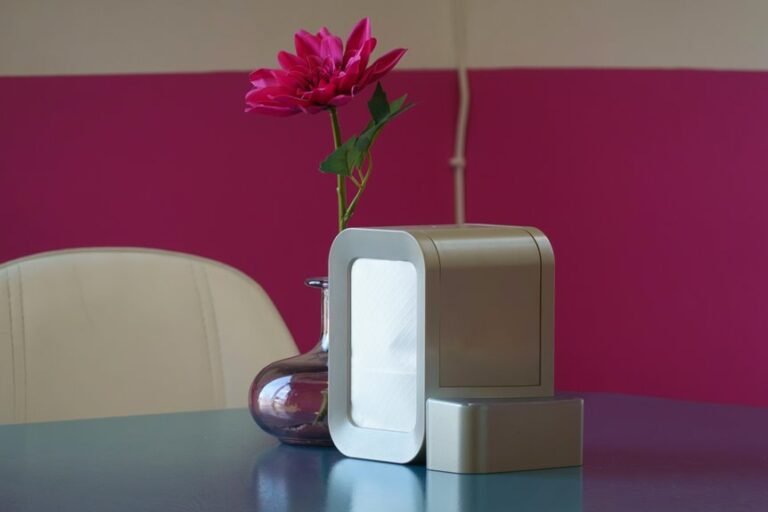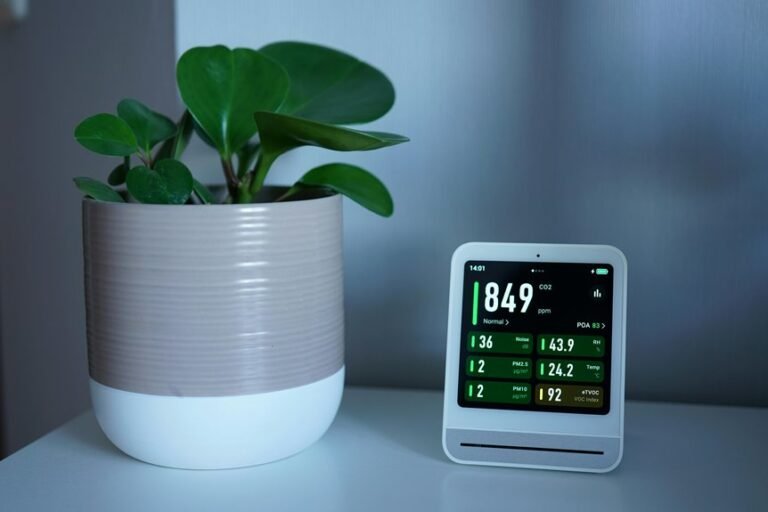

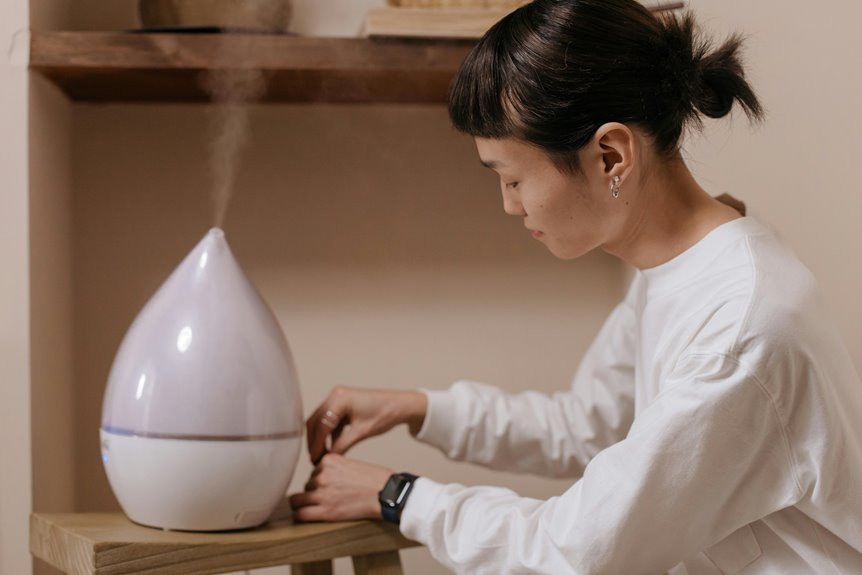

Air purifiers help clean the air in your home by trapping dust, pollen, pet dander, and smoke. Cleaner air can help you breathe easier, sleep better, and enjoy a fresher space. They work best in the right room and with the right filter for your needs. A good purifier can be a simple way to support a healthier lifestyle.
What Does an Air Purifier Do?
How does an air purifier actually help your home feel cleaner and easier to breathe in? It pulls in indoor air, traps tiny particles, and sends fresher air back into the room.
Once you learn the air purifier basics, it feels less mysterious and more like a teammate for your space. You get a simple system that keeps working quietly while you live, cook, relax, and gather with people you love.
As indoor air circulation moves through the unit, filters catch dust, pollen, pet dander, smoke, and other bits floating around your home.
Some models also reduce odors and very small pollutants. That means your shared spaces can feel more welcoming, calm, and cared for.
Instead of letting stale air hang around like an unwanted guest, your purifier helps your home feel refreshed every day.
What Are the Main Benefits of Clean Air?
Once you know an air purifier traps the particles floating through your home, the next question feels personal: what does that cleaner air actually do for you?
It helps you breathe easier, sleep deeper, and feel more like yourself. Cleaner air can calm allergy flare-ups, ease asthma triggers, and reduce irritation in your eyes, nose, and throat. That daily comfort often supports mood enhancement, sharper focus, and even better workplace productivity whenever you work from home.
| Benefit | What you feel |
|---|---|
| Easier breathing | Less coughing, congestion |
| Better rest | Deeper sleep, more energy |
As your space feels fresher, you might notice fewer sick days and a stronger sense of wellness. Clean air doesn’t just change a room. It helps you create a home where everyone feels safe, welcome, and able to thrive together each day.
Which Pollutants Can Air Purifiers Remove?
Because indoor air carries more than just dust, a good air purifier can remove a wide range of pollutants that could be bothering you every day without you even seeing them. That means your home can feel fresher, safer, and more welcoming for everyone you care about.
- It captures pollen that drifts in through doors, windows, and clothing.
- It reduces smoke particles from cooking, candles, and tobacco that can irritate your lungs.
- With activated carbon, it supports VOC removal, helping cut odors and chemical gases from cleaners, paint, and furniture.
- It traps mold spores, bacteria, and some virus-carrying particles that can spread through shared air.
Together, these pollutants can make breathing feel harder. With the right purifier, you create a cleaner space where you and your family can feel more comfortable each day.
Do Air Purifiers Help With Dust and Dander?
Yes, air purifiers can help you cut down the dust that floats through your rooms and settles on surfaces.
They also capture pet dander, which can ease sneezing, itchy eyes, and stuffy breathing when you share your home with animals.
As you look closer at clean air benefits, you’ll see how removing these tiny particles can make your space feel fresher and more comfortable.
Dust Reduction Benefits
When dust seems to settle everywhere no matter how often you clean, an air purifier can help through pulling floating dust and dander out of the air before they land on your floors, shelves, and bedding.
That means stronger surface dust control and less furniture dust buildup, so your home feels easier to care for and more welcoming.
- You wipe tables less often, and rooms stay calmer.
- You see fewer particles drifting in sunlight.
- You breathe easier when everyday dust gets trapped.
- You spend less time chasing mess and more time enjoying home.
Because the purifier keeps working between cleanups, you get support all day, not just after vacuuming.
That steady help makes your shared spaces feel fresher, cozier, and more ready for the people you love to gather in comfort.
Capturing Pet Dander
If you share your home with pets, an air purifier can make a real difference through pulling pet dander out of the air before it keeps circling through your rooms. That matters when you want everyone, including guests, to breathe easier and feel comfortable together. A quality HEPA purifier supports pet allergen control by trapping tiny flakes of skin that standard filters often miss.
It also helps with animal hair capture, so less fur and dander settle on couches, bedding, and floors. As a result, you might notice fewer sneezes, less itchy eyes, and easier breathing day after day. If you live with cats, dogs, or birds, cleaner air can make your space feel more welcoming, not less personal. You keep the companionship you love while creating a home where everyone feels they belong.
Do Air Purifiers Help With Allergies and Asthma?
Because allergy and asthma symptoms often start with what you breathe, a good air purifier can make a real difference in how you feel at home. It helps you create a space where your body feels calmer and more supported each day.
- You breathe in fewer triggers like dust, pet dander, and smoke, so sneezing, itchy eyes, and tight breathing can ease.
- A HEPA purifier catches tiny particles that basic HVAC filters often miss, which might lower asthma flare-ups.
- You might sleep better whenever congestion drops, helping you wake up feeling more like yourself and more connected at home.
- It works best alongside allergy testing, medication options, and your care plan, so you feel part of a smart, supported routine that truly fits your life.
Can Air Purifiers Help During Pollen Season?
Pollen season can turn your home into a place that feels hard to enjoy, especially if itchy eyes, sneezing, and a stuffy nose follow you indoors. An air purifier can help you reclaim that space. It pulls pollen from the air, so you breathe easier and feel more like yourself with the people around you.
That matters even more during seasonal pollen counts climb. As you check outdoor pollen tracking, you can run your purifier more often after walks, yard work, or open-window days.
A HEPA purifier catches tiny pollen particles that standard HVAC filters often miss. That means less allergen buildup on the air you share at home. You still need smart habits like changing clothes and wiping surfaces, but a purifier gives your household extra support as pollen tries to move in fast.
Do Air Purifiers Help You Sleep Better?
Yes, air purifiers can help you sleep better by reducing nighttime allergens that often leave you stuffy, itchy, or wide awake.
As your bedroom air gets cleaner, you might breathe more quietly and comfortably through the night.
That means you can rest in a space that feels fresher, calmer, and easier on your body.
Reduced Nighttime Allergens
While you sleep, allergens like dust, pet dander, and pollen can keep moving through your bedroom air and quietly trigger sneezing, congestion, itchy eyes, and a stuffy nose. An air purifier helps you feel more at home in your own room through lowering those nighttime allergen sources and improving bedroom air circulation.
- Dust from bedding and carpets gets trapped instead of floating near your face.
- Pet dander from your furry family settles less in the air you breathe.
- Pollen that drifts indoors gets captured before it keeps bothering you.
- Tiny particles that standard filters miss get removed more effectively.
As that allergen load drops, your nose and eyes face fewer irritants. You can settle in easier, rest in a cleaner space, and feel like your bedroom truly supports your comfort every single night.
Quieter Breathing At Night
Because your air stays cleaner through the night, your breathing can feel quieter, smoother, and less strained once you settle into bed. That matters after reduced nighttime allergens, because calmer airways often help you relax faster and stay connected to the comfort your room should give you. With steady nighttime airflow and quiet fan modes, your purifier supports a softer breathing rhythm without adding extra noise.
| Bedtime change | What you notice | Why it helps |
|---|---|---|
| Cleaner airflow | Less stuffy breathing | You settle faster |
| Quiet fan modes | Fewer sound disruptions | You feel more at ease |
| Steady nighttime airflow | Smoother breaths | Your body stays relaxed |
Sleep feels more welcoming when each breath comes easier. You might toss less, wake less often, and feel like your space is truly on your side tonight.
Improved Bedroom Air Quality
As the night goes on, improved bedroom air quality can make sleep feel easier, deeper, and far less interrupted. When your purifier supports bedroom ventilation, you breathe cleaner air and settle into a calmer sleep environment. That matters when pollen, pet dander, dust, or smoke try to keep you up.
- You wake less from congestion, coughing, or that stuffy nose nobody wants.
- You share a fresher room that feels welcoming, calm, and easier to relax in.
- You get steady, quiet cleaning through the night, so rest comes without extra noise.
- You rise feeling more refreshed, clear headed, and ready to join the day.
Because cleaner air reduces allergy symptoms, your body can finally relax.
In that kind of room, you don’t just sleep. You feel at home, safe, and supported nightly.
How Air Purifiers Help Pet Owners
Should you love your pets but struggle with fur, dander, and that constant stuffy feeling, an air purifier can make home feel comfortable again. You get a fresher space where everyone, including your four legged family, belongs. It pulls pet dander, dust, and floating hair from the air, which helps ease sneezing, itchy eyes, and congestion.
That cleaner air also supports pet odor control, so your rooms smell welcoming instead of stale. During shedding season cleanup, an air purifier works between vacuum sessions by catching loose particles before they settle on couches, rugs, and blankets.
Should you live with cats, dogs, or birds, it can lower the allergen load that standard HVAC filters often miss. As a result, you breathe easier, relax faster, and enjoy more close cuddles without feeling swamped indoors daily.
How Air Purifiers Help Kids at Home
If your child struggles with allergies, an air purifier can remove pollen, dust, and pet dander that often cause sneezing, itchy eyes, and stuffy noses.
As the air gets cleaner, your child can breathe easier at home and settle in for deeper, more peaceful sleep.
That means you can create a calmer bedroom, ease nighttime congestion, and help your kid wake up feeling better.
Allergy Symptom Relief
Because kids spend so much time indoors, the air inside your home can play a big role in how they feel each day. Whenever you use an air purifier, you help remove pollen, pet dander, and dust that can trigger sneezing, itchy eyes, and stuffy noses. That means your child can breathe easier and feel more included in family moments, playtime, and learning.
- You lower the allergen load in shared spaces.
- You support immune comfort during busy school weeks.
- You make symptom tracking easier by spotting patterns at home.
- You create a calmer space for hugs, homework, and laughter.
As those triggers drop, your child can face fewer flare-ups and less irritation. With cleaner air around them, you give your family a steadier, more welcoming place to grow together every day.
Better Sleep Quality
While daytime sniffles can wear kids down, nighttime congestion and irritated airways can quietly steal the deep rest their bodies need most. An air purifier helps you create a calmer sleep environment by removing dust, pollen, pet dander, and other tiny particles that can keep your child stuffy or coughing after lights out.
As the air feels cleaner, your child can settle into bedtime relaxation more easily and stay asleep longer.
Quiet models work gently in the background, so you don’t trade cleaner air for extra noise. That matters when your home already carries enough bedtime chaos and one lost teddy bear.
With fewer airborne triggers, your child may breathe easier, wake less often, and rise feeling more like themselves. And when they sleep better, your whole family feels more rested, connected, and ready for the next day.
Do Air Purifiers Remove Smoke and Odors?
Although smoke and odors can make your home feel heavy and hard to enjoy, a good air purifier can help with pulling smoke particles from the air and cutting down many of the smells that come with them.
That means your space feels more welcoming, calm, and easier to share with others.
- Smoke filtration helps trap fine particles from cooking, fireplaces, and tobacco.
- Odor neutralization lowers stubborn smells that cling to rooms, fabrics, and the air.
- Cleaner air can ease throat, nose, and eye irritation, so you feel more comfortable.
- Your home starts to feel fresher, lighter, and more like the place where everyone belongs.
This matters because smoke doesn’t just linger, it settles into daily life. Whenever your air feels cleaner, you can relax, breathe easier, and enjoy your space together.
What to Look for in an Air Purifier
Cleaner air feels great, but the right purifier is what makes those smoke, odor, and allergy benefits show up in real life. To choose well, start with filter types. A true HEPA filter helps trap pollen, pet dander, dust, and fine particles that can bother your breathing. Should odors matter, look for activated carbon too.
Next, check room coverage. You want a unit sized for your space, not one that struggles while your family relaxes nearby. A stronger CADR can clean air faster, which helps everyone feel more comfortable together.
Also, notice noise levels, energy use, and filter replacement costs. Those details shape daily life more than you may expect. Whenever a purifier fits your needs and routines, it becomes part of a home where you can all breathe easier, every single day.
Where Should You Place an Air Purifier?
Where you place an air purifier matters more than most people reckon, because the best filter can’t help much unless air can’t reach it. To get ideal placement, match the unit to your room layout and your daily routine. Put it where your family gathers, like the bedroom or family room, so everyone shares cleaner air.
- Keep it 3 to 5 feet from walls and furniture so airflow moves freely.
- Place it near pollution sources, like litter boxes, pet beds, or entryways.
- Set it close to your breathing zone, especially beside your bed for sleep.
- Avoid corners, curtains, and under shelves, where clean air gets trapped.
If you’re using one purifier, choose the room where you spend the most time. That’s where it will feel like home.
Frequently Asked Questions
How Often Should Air Purifier Filters Be Replaced?
Replace air purifier filters every 6 to 12 months. Homes with pets, smoke, or heavy dust may need more frequent changes. Review the filter each month and follow the instructions for your specific model to maintain clean indoor air.
Do Air Purifiers Increase Electricity Bills Significantly?
Using an air purifier usually does not raise your electricity bill by much. Most efficient models use relatively little power, so even with regular use, the monthly cost is often quite low.
Are Air Purifiers Safe to Run All Day?
Yes, you can run an air purifier all day if the model is designed for continuous use and you follow the manufacturer’s instructions. Regular filter changes and using sleep mode at night help keep it safe and effective.
Can One Air Purifier Clean an Entire House?
One air purifier usually cannot clean an entire house effectively. Coverage has to match each room, and placement matters, so cleaner air reaches the spaces people actually use throughout the home.
Do Air Purifiers Make a Lot of Noise?
Most air purifiers run quietly, and many offer low speed settings or sleep modes that help keep bedrooms and shared spaces calm and comfortable.