
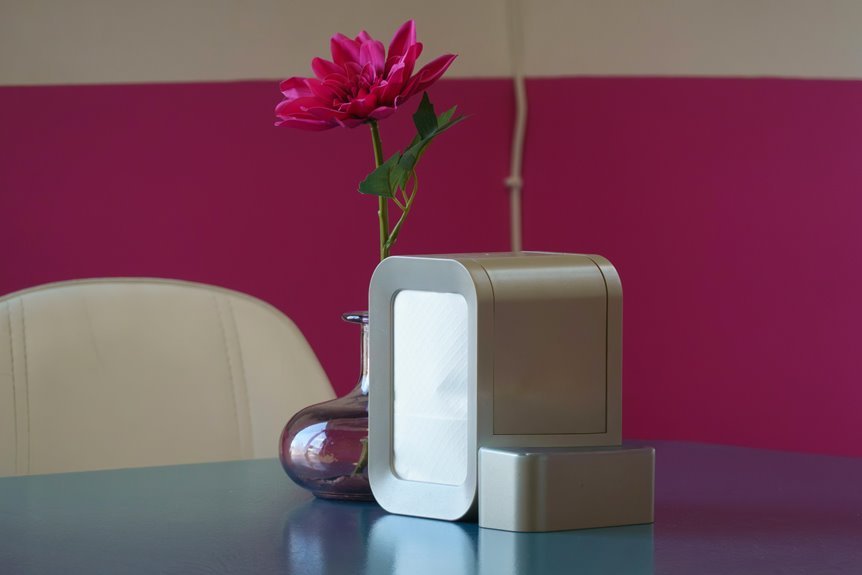

Yes, daily habits make an air purifier work better and help your air feel cleaner. Put it in an open spot, run it every day, and keep windows shut during smoke or high-pollen hours. Change the filter on time and keep dust, pet hair, and extra humidity under control. A few simple routines can make your home feel fresher, calmer, and easier to breathe in.
Place Your Air Purifier in the Best Spot
To get the most from your air purifier, place it where air can move around it freely, not tucked behind furniture or pushed up against a wall. Give it open space on all sides so it can pull in stale air and send out cleaner air to everyone sharing your home.
Next, study your room layout. Put the unit near the area where you spend the most time, like your bed, sofa, or desk, but keep it away from windows that pull in outside particles. Protect the airflow path by avoiding curtains, shelves, and crowded corners.
In larger spaces, center placement often helps. In smaller rooms, a few feet from the wall usually works well. Should air feel still, add a fan nearby to help circulation and make the whole room feel fresh together.
Run Your Air Purifier Every Day
Ideally, you should run your air purifier every day, and in most homes, keeping it on around the clock works best. Whenever you do, you give your family a steady layer of care that helps everyone breathe easier and feel more at home. That matters, especially whenever dust, pet dander, odors, and allergens build up while you’re busy or away.
| Habit | Why it helps |
|---|---|
| Keep it running | Supports round the clock air cleaning |
| Use the right speed | Balances noise and airflow |
| Replace filters on time | Protects strong performance |
| Let it work daily | Delivers continuous operation benefits |
Because air keeps moving, pollutants keep floating too. Daily use captures them before they pile up. You’re not overdoing it. You’re creating a cleaner, calmer space where your whole household can settle in comfortably.
Close Windows During High-Pollen or Smoky Days
When pollen counts spike or smoke rolls in, you should keep your windows closed so your air purifier can protect your space instead of fighting outdoor air.
This simple step helps block heavy allergens and smoky particles before they spread through your home and irritate your lungs. In turn, you breathe easier, your purifier works more efficiently, and your home feels like a safe place to land.
Peak Pollen Protection
Because pollen counts and smoke levels can spike fast, keeping your windows closed on those days helps your air purifier do its job far better. You give your home a stronger shield, so everyone inside can breathe easier and feel more comfortable together.
To stay ahead, watch local air reports and learn your area’s peak pollen patterns and allergy season timing. That way, you can close windows before outdoor particles rush in and settle on floors, bedding, and furniture.
Your purifier then captures what slips indoors instead of fighting a constant stream from outside. It also helps to place your unit away from windows, where it can clean room air more effectively.
On tough days, this simple habit supports calmer breathing, better sleep, and a home that feels like a safe place to land for everyone.
Smoke Event Sealing
Although fresh air often feels like the healthy choice, smoky or high-pollen days call for a different plan: shut your windows and let your air purifier protect the space you can control. As outdoor air turns harsh, you create a safer shared refuge by keeping doors and windows closed and running your purifier nonstop.
This simple smoke sealing habit helps your HEPA filter capture fine particles before they settle into carpets, bedding, and lungs. Place the purifier away from windows so it won’t pull in outside pollution, and check filters often during wildfire season or heavy pollen spikes.
Should smoke sneak in after a door opens, treat it like emergency air cleanup: close the house again, increase purifier speed, and let clean indoor air bring everyone back to ease, comfort, and calm together.
Change Your Air Purifier Filter on Time
To keep your air purifier working its best, you need to change the filter on time and follow the maker’s replacement schedule.
Should you notice weaker airflow, more dust, or musty smells, your filter might be clogged and ready for a swap.
You’ll also get better results as soon as you choose the right HEPA or carbon filter for your unit and your air quality needs.
Filter Replacement Schedule
Regularly changing your air purifier filter keeps the machine working the way you need it to, day and night. When you follow a simple schedule, you protect airflow, support clean air, and help your purifier meet its full filter lifespan without guesswork or stress.
| Filter type | Usual timing | Helpful habit |
|---|---|---|
| Pre-filter | Every 2 to 4 weeks | Vacuum gently |
| HEPA | Every 6 to 12 months | Check manual |
| Carbon | Every 3 to 6 months | Track odors |
| Combo filter | Every 6 months | Save purchase date |
Set replacement alerts on your phone or calendar, so you never feel behind. Whenever you run your purifier all day, you might need faster changes. Staying on schedule helps your home feel fresh, cared for, and welcoming.
Signs Of Clogged Filters
Even with a solid replacement schedule, your purifier often tells you whenever a filter is getting overloaded. You could notice reduced airflow initially. The machine still runs, but the air coming out feels weaker, and your room doesn’t feel as fresh. That can mean dust, pet dander, and other particles are crowding the filter.
You can also hear unusual noises. Whenever your purifier strains to pull air through a packed filter, it can sound louder, rougher, or less steady than usual.
Along with that, odors could linger longer, allergy symptoms may creep back, and more dust may settle on surfaces. Whenever the unit feels warm or the fan seems to work harder, trust those signs. Staying alert helps you protect your shared home space and keep everyone breathing easier together each day.
Proper Filter Selection
Because your purifier can only clean air as well as its filter allows, choosing the right replacement and changing it on time matters more than most people realize. When you match filter types to your needs, your whole home team breathes easier. HEPA works best for pollen, dust, and pet dander, while activated carbon helps with odors and VOCs.
Next, check the manual for approved sizes and filter ratings. A strong rating helps capture tiny particles, but the wrong fit can let dirty air slip past.
Whenever your purifier runs all day, filters wear out faster, so follow the change schedule and replace sooner when your air feels dusty or smells stale.
Staying on top of filter care keeps your purifier reliable, your space welcoming, and everyone around you a little more comfortable daily.
Dust and Vacuum Regularly
Often, your air purifier works best whenever you help it out through dusting and vacuuming often, so it doesn’t have to chase the same dirt all day. As you clean surfaces and floors, you remove particles before they float back into the air your family shares. That simple teamwork makes your space feel fresher and more welcoming.
- Dust shelves, vents, and baseboards with a damp cloth for better dust control.
- Build steady vacuuming habits, especially on rugs, carpets, and under furniture.
- Use a vacuum with a good filter so fine particles stay trapped.
- Clean high-traffic rooms initially, because that’s where dirt and pet dander gather fastest.
As you keep up this routine, your purifier can focus on tiny airborne bits instead of yesterday’s mess. You’ll breathe easier, and your home will feel cared for together.
Keep Humidity at a Healthy Level
Cleaning up dust gives your air purifier a strong head start, and keeping humidity in a healthy range helps it work even better. Whenever your home feels balanced, you breathe easier and everyone feels more comfortable together. Aim for 30 to 50 percent humidity, because air that’s too damp can encourage mold, while air that’s too dry can irritate your nose and throat.
That’s where smart humidity control supports your purifier. Use a hygrometer to check levels, then run a humidifier or dehumidifier as needed.
In bathrooms, kitchens, and basements, good airflow protects your moisture balance and helps airborne particles stay easier to capture. You create a space that feels clean, calm, and welcoming, which makes daily air care feel less like a chore and more like part of home.
Reduce Pet Hair and Dander Buildup
A few simple pet-care habits can make your air purifier work much harder for you each day. Whenever you stay ahead of loose fur and flakes, your whole home feels fresher and more welcoming for everyone. Regular pet grooming cuts what floats into the air, while washing beds and fabric covers keeps dander from settling back into your shared spaces.
- Brush your pet often, ideally outside, to stop hair from spreading indoors.
- Wipe paws and coats after playtime to reduce tracked-in dust and allergens.
- Wash pet beds, blankets, and fabric covers weekly to remove trapped dander.
- Vacuum favorite pet spots and nearby floors so your purifier catches finer particles.
These habits support your purifier, protect filter life, and help your home feel like a clean, comfortable place where both you and your pets belong.
Use Your Air Purifier While You Sleep
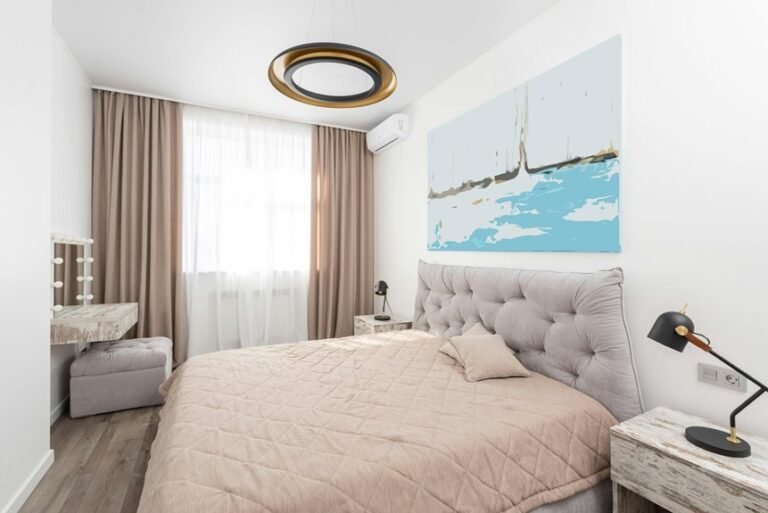
After you cut down pet hair and dander during the day, running your air purifier while you sleep helps keep the air cleaner for the many hours you spend in one room. That steady cleaning matters because dust, pollen, and tiny fibers can build up overnight while you rest.
As you settle in, your purifier keeps capturing airborne particles, so your bedroom feels more like a safe, shared comfort zone. HEPA filtration can remove common allergens, which gives you nighttime breathing support and helps you wake up less stuffy.
Many units also create soft sleeping noise comfort, which some people find soothing, like a gentle background hush. When you want your room to feel welcoming and easier to breathe in, letting your purifier run through the night is a simple habit that supports your whole household.
Know When to Adjust Your Purifier
At what point should you change your purifier’s settings? You should adjust them when your air quality changes, your room use shifts, or seasonal changes bring more pollen, smoke, or damp air. That way, your purifier keeps supporting the healthy home you’re building.
- Raise the fan speed when cooking, cleaning, or vacuuming stirs particles.
- Use auto mode during normal days so the purifier responds to changing air quality.
- Lower settings at night if noise bothers you, but keep it running.
- Check filters often, because clogged filters can make even strong settings less effective.
As your routines change, your purifier should change with you. Should guests visit, pets shed more, or windows stay open, increase power. You’re not overdoing it, you’re caring for the space everyone shares.
Frequently Asked Questions
Can Air Purifiers Help Reduce Cooking Odors and Indoor Chemical Fumes?
Yes. While smoke lingers, you can improve the air. Air purifiers with activated carbon can help reduce cooking odors and indoor chemical fumes, making shared spaces smell cleaner and feel more comfortable.
Do Air Purifiers Remove Viruses and Bacteria From Indoor Air?
Yes, air purifiers with HEPA filters can lower the amount of airborne viruses and bacteria in indoor air, especially when they run continuously. They help reduce microbial particles in shared rooms and support cleaner indoor air.
Should I Use an Air Purifier With Windows Open?
Yes, you can use an air purifier with windows open, but there are tradeoffs. Check outdoor air quality first. During cleaner outdoor conditions, you can improve airflow and comfort while still helping your space feel fresher.
How Often Should Activated Carbon Filters Be Replaced?
Replace activated carbon filters every 3 to 6 months, depending on odor levels, VOC exposure, and how often the system runs. Follow the manufacturer’s replacement schedule to maintain cleaner, healthier indoor air.
Can Air Purifiers Lower Exposure to Traffic Pollution Inside Cars?
Yes, exposure can be reduced. In heavy traffic, car cabin filtration and regular filter replacement can lower the amount of pollutants entering the cabin air. This helps improve air quality inside the vehicle by reducing traffic related particles and fumes.