
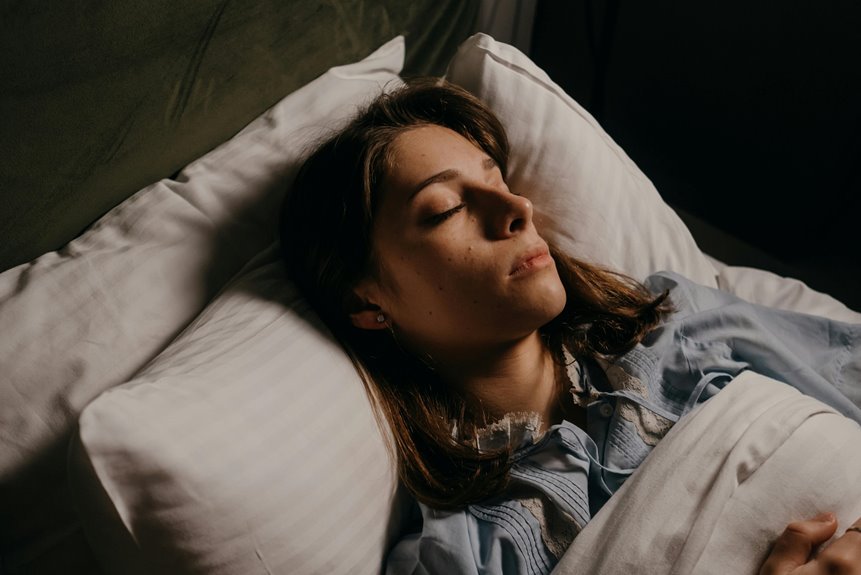

Yes, an air purifier can support better sleep by cleaning the air you breathe all night. It helps reduce dust, pollen, pet dander, smoke, and odors that can irritate your nose and throat. Cleaner bedroom air often means less congestion, less coughing, and fewer wake-ups. The best results usually come from choosing the right filter, matching it to your room size, and placing it in the right spot.
Can an Air Purifier Improve Sleep?
Yes, an air purifier can improve sleep, especially should your bedroom air carries dust, pollen, pet dander, smoke, or other tiny particles that irritate your nose and throat at night. When you breathe cleaner air, your body can settle faster, and you may feel more comfortable staying asleep with fewer allergy symptoms.
That matters because your bedroom should feel like a safe place where you can fully rest. Research found helpful sleep duration changes, including about 12 more minutes of total sleep per night on average. With a HEPA filter, time in bed rose even more in one pilot study.
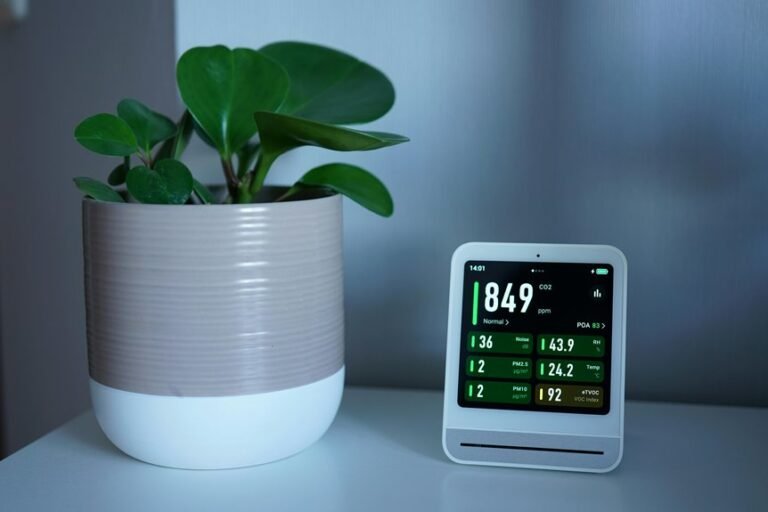
Air purifiers also improve sleep quality metrics by lowering particles like PM2.5 and PM10. Some units add a soft, steady hum, which can gently cover small noises and help you relax.
Why Bedroom Air Feels Worse at Night
Even though an air purifier helps you sleep better, your bedroom air can still feel worse after dark because the room turns into a closed little box. Once doors and windows stay shut, stale air builds fast, and you share that small space with dust, fabrics, and your own breathing all night.
As the hours pass, bedroom temperature shifts can make the room feel stuffy or damp, especially near bedding and carpets. At the same time, nighttime air pressure might change how heavy or still the air feels to you.
Should you have pets, soft furniture, or stored clutter, those surfaces can hold particles and odors that seem stronger after sunset. You aren’t imagining it. Many people notice this same nighttime change, and understanding why it happens helps you create a calmer, fresher space.
Which Sleep Problems Can It Help?
So, which sleep problems can an air purifier actually ease? If your bedroom air feels stale, you might notice sleep onset difficulties, light breathing discomfort, and a mind that won’t fully settle. Cleaner air can lower indoor particles and odors, so your room feels calmer and easier to breathe in. That helps you feel more at home in your own space at bedtime.
It might also support you if you deal with restless sleep patterns. Fine particles, smoke, and cleaning fumes can make sleep feel broken, even after you can’t name why. By removing many of those irritants, an air purifier can create a steadier sleep setting. Some models also add a soft, steady hum that covers little noises, which can help you drift off and stay settled with less interruption through the night.
Can an Air Purifier Help Nighttime Allergies?
If nighttime allergies keep waking you up, an air purifier can help by cutting down bedroom allergens like pollen, dust, pet dander, and mold.
You’ll usually get the most relief from a HEPA filter, and a carbon filter can also help if odors or chemical fumes bother you at night.
As the air gets cleaner, you may notice less congestion, coughing, and throat irritation, so it’s easier for you to breathe and stay asleep.
Bedroom Allergen Reduction
Because nighttime allergies can turn your bed into a sneezing zone, an air purifier can make a real difference through drawing common triggers out of your bedroom air.
As it captures pollen, pet dander, dust, and mold, you breathe easier and feel more at home in your own space.
That cleaner air also supports dust mite control by reducing particles that settle around your sleep area. While it won’t replace washing sheets or vacuuming, it can lower your bedding allergen load and help calm stuffy noses, itchy throats, and late-night coughing.
In turn, you might wake less often and settle in faster. Should you share your room with pets, or live where pollen drifts indoors, this extra layer of support can help your bedroom feel like a safe, restful place where your body can finally relax.
Filter Types That Help
Filter choice matters most whenever nighttime allergies keep pulling you out of sleep. Should you want your bedroom to feel like a safe, shared comfort zone, start with a true HEPA filter. It captures tiny particles like pollen, pet dander, dust mite waste, and mold bits that can linger where you rest.
Then look at the layers working with it. A pre filter catches larger debris initially, so the main filter can keep doing its job longer. An activated carbon layer helps remove smoke, cooking smells, and chemical odors that make your space feel less calm.
Together, these filters create cleaner air you can trust night after night. As soon as your purifier uses the right mix, you’re not just buying a machine. You’re building a bedroom that feels more welcoming, steady, and easier to breathe in.
Nighttime Symptom Relief
At nighttime allergies leave you tossing, turning, and reaching for tissues, an air purifier can help by pulling common triggers out of the air before they bother you. As your room air gets cleaner, you might notice better nasal comfort, less coughing, and more throat soothing through the night. That matters because pollen, dust, pet dander, and smoke often build up where your group gathers to rest and reset.
| Trigger | Relief you might feel |
|---|---|
| Pollen | Fewer sneezes |
| Dust mites | Easier breathing |
| Pet dander | Less congestion |
| Mold spores | Calmer airways |
With HEPA filtration, you give yourself a better chance to stay asleep instead of waking up stuffed up or scratchy. You deserve a bedroom that feels safe, calm, and easier to breathe in every night.
Can an Air Purifier Reduce Snoring?
When snoring gets worse while your nose feels stuffy or your throat gets irritated, an air purifier might help by cleaning the air you breathe all night. That matters because common snoring causes include allergies, dust, pet dander, smoke, and dry, irritating particles. As those triggers inflame your nose or throat, airflow narrows and airway vibration can grow louder.
As your bedroom air gets cleaner, you might breathe more freely and stay more comfortable through the night.
HEPA filtration can lower allergens that lead to congestion, coughing, and mouth breathing, all of which can worsen snoring. You deserve a sleep space that helps you rest easier and feel more at home in your own bed.
While a purifier isn’t a cure for every snore, it can be a helpful part of your nighttime routine.
What to Look for in a Bedroom Air Purifier
Whenever you choose a bedroom air purifier, start with noise control so the machine helps you sleep instead of keeping you awake.
You’ll also want an efficient filter, especially a true HEPA filter for dust, pollen, pet dander, and other tiny particles that can irritate your breathing at night.
Together, a quiet sleep mode and strong filter performance can make your room feel calmer, cleaner, and much more sleep-friendly.
Noise Level Control
Often, the best bedroom air purifier is the one you barely hear. When you’re choosing one for your sleep space, pay close attention to sleep sound control and quiet operation settings. A low, steady hum can feel comforting and help mask traffic, voices, or that one floorboard with perfect timing.
Because your room should feel like a safe place to settle in, look for models with a dedicated sleep mode, low decibel ratings, and dimmable lights.
You’ll also want fan speeds that adjust smoothly, so the sound doesn’t jump and pull you out of rest.
If you share your room, quieter performance matters even more. It helps everyone breathe easier without turning bedtime into a debate.
The right noise level lets your whole space feel calm, soft, and welcoming each night.
Filter Type Efficiency
Because the filter does the real cleaning work, filter type matters just as much as quiet operation in a bedroom air purifier.
Should you want air that feels easier to breathe, start with a true HEPA filter. It captures dust, pollen, pet dander, and other tiny particles that can disturb your rest and make your room feel less welcoming.
- Choose HEPA for allergens and fine particles that often trigger coughing or congestion at night.
- Add activated carbon should you want help with odors from pets, cooking, or cleaning products.
- Check the filter lifespan and maintenance schedule, so your purifier keeps working for your shared sleep sanctuary.
When you pick the right filter setup, you create a bedroom that supports calmer breathing, fewer irritants, and a more settled night for you.
Which Filter Type and Room Size Matter?
Although any purifier can move air, the filter type and the room size decide whether it will actually help you sleep better. For your bedroom, a HEPA filter catches pollen, dust, and dander, while carbon helps with odors. Then your CADR room match matters, because a too-small unit leaves you breathing leftovers. Your filter depth choice also shapes how much debris gets trapped before bedtime.
| What to check | Why you’ll care |
|---|---|
| HEPA filter | Traps allergens |
| Carbon layer | Cuts smells |
| CADR rating | Fits room size |
| Filter depth | Holds more particles |
| Noise setting | Keeps nights calm |
When your purifier fits your space, you join others creating a calmer sleep setup. It’s like giving your lungs a reliable night team, without asking them to work overtime.
Where Should You Place It for Sleep?
Where you place your air purifier can shape how well it helps you sleep, so the goal is simple: put it close enough to clean the air you breathe, but not so close that the airflow or sound bothers you.
For most bedrooms, bedside placement works best when the unit sits about 3 to 6 feet from your bed. That keeps cleaner air moving through your sleep space without feeling like a fan in your face.
To make it work smoothly:
- Keep it off the wall so intake and output stay clear.
- Aim airflow direction past you, not directly at your head.
- Place it on a stable, flat surface, never soft bedding.
If your room feels stuffy, set it near the area where you spend the night most. You deserve a setup that feels calm, clean, and comfortably yours.
When an Air Purifier Is Unlikely to Help
Even with smart placement, an air purifier won’t fix every sleep problem, and that can feel frustrating while you’re doing your best to make your bedroom more restful. If you’re in low pollution bedrooms, you might notice little change. It also can’t solve stress, pain, poor sleep habits, or loud neighbors.
| Situation | Why it might not help |
|---|---|
| Clean air already | Gains might be small |
| Snoring from anatomy | Air isn’t the cause |
| Ongoing anxiety | Breathing isn’t the trigger |
| Sealed room ventilation limits | Fresh air still matters |
That’s significant because sleep is personal, and you’re not failing while results feel modest. A purifier can lower dust, pollen, and smoke, but it won’t replace medical care, bedtime routines, or quieter surroundings. Sometimes the best support comes from combining tools, not asking one device to carry everything alone.
Frequently Asked Questions
How Often Should I Replace an Air Purifier Filter?
Replace your air purifier filter every 6 to 12 months. Check your model’s recommended filter life and replace it sooner if your home has heavy dust, pets, or allergy triggers.
Do Air Purifiers Use Much Electricity Overnight?
No, air purifiers typically use very little electricity overnight, especially on sleep mode or a low fan setting. In most homes, the cost to run one through the night is small, making it a practical option for cleaner air while you sleep.
Can I Sleep With an Air Purifier on Every Night?
Yes, you can sleep with an air purifier on every night. It can reduce dust, pollen, and other airborne particles in your bedroom, which may help you breathe more comfortably while you sleep. Choose a quiet setting or sleep mode to keep noise to a minimum and maintain a more peaceful room.
Do Air Purifiers Help With Pet Odors in Bedrooms?
Yes, air purifiers can reduce pet odors in bedrooms by using activated carbon filters to trap odor causing particles and HEPA filters to capture pet dander. This can make the room smell cleaner and help improve air quality for more comfortable sleep.
Are Air Purifiers Safe for Babies and Young Children?
Yes, air purifiers can be safe for babies and young children when you choose a true HEPA model and keep it properly maintained. A well selected purifier can help reduce airborne particles in the nursery and support a cleaner indoor environment.