

Safer air at home starts with an air purifier that uses a true HEPA filter and activated carbon. These features capture dust, pollen, pet dander, smoke, odors, and some gases. The safest models skip ionizers, ozone generators, and other extras that can irritate your lungs. Picking the right features makes a big difference in the air you breathe every day.
Is Air From an Air Purifier Safe?
While the air from an air purifier can be safe, that depends on the type of purifier you bring into your home. You deserve a space that helps you breathe easier, not one that adds concealed risks. Safer units can lower dust, smoke, and pet dander in the air you share with family.
Still, some purifiers can release ozone or other byproducts that irritate your lungs, trigger coughing, and worsen asthma. Words like activated oxygen can signal trouble. That’s why you should look for truly ozone-free models and trusted safety testing.
As you compare options, check noise levels and energy use too, so the purifier fits your daily life without stress. Whenever your purifier cleans particles without adding harmful chemicals, you create a calmer, healthier place where everyone can feel more at home together.
Which Air Purifier Filters Are Safest?
Because the safest air purifier is the one that cleans your air without adding new risks, the best filters are usually true HEPA for particles and activated carbon for odors and some gases, used in a purifier that’s 100% ozone-free.
For strong HEPA safety, choose sealed systems that keep captured dust inside and reduce contact during changes. That matters whenever you’re sensitive to allergens or smoke.
Next, look at filter materials. True HEPA traps pollen, pet dander, dust, and fine smoke particles, while activated carbon helps with smells and some chemicals.
You also want sturdy housings and easy-fit replacements, since less mess means less exposure.
Whenever you prefer washable filters, be careful, because handling trapped debris can raise your risk. With the right setup, your purifier helps your home feel cleaner, calmer, and more welcoming every day.
Do Any Air Purifiers Create Ozone or Other Risks?
Yes, some air purifiers can create ozone and other harmful by-products, so the label matters just as much as the filter. You deserve cleaner air, not concealed tradeoffs. Watch for an ozone warning and terms like activated oxygen, ionizer, plasma, or UV-C, which can signal risk.
| Technology | Possible risk | What you can do |
|---|---|---|
| Ionizers | Ozone, formaldehyde, ultrafine particles | Choose certified ozone-free models |
| UV-C/plasma | Ozone, eye and airway irritation | Check safety testing |
| Photocatalytic units | Secondary pollutants, VOC by-products | Avoid vague marketing claims |
These devices might create secondary pollutants like formaldehyde, carbon monoxide, or irritating gases. Some can trigger coughing, chest tightness, headaches, and shortness of breath. To stay in the safe crowd, choose evaluated mechanical filtration initially.
How Air Purifiers Help Allergies and Asthma
Once you’ve ruled out purifier types that can add ozone or other irritants, you can focus on what actually helps your breathing feel calmer day to day. For many families, that means cleaner indoor air and fewer triggers floating around your shared space.
- allergen capture helps pull pollen, pet dander, dust, and smoke particles from the air
- fewer airborne particles can mean less sneezing, itchy eyes, and nighttime coughing
- cleaner air may support asthma relief by lowering exposure to common indoor triggers
- steadier air quality can help you feel more at ease, especially during sleep or busy mornings
That matters because you deserve a home where breathing feels easier, not stressful. While no purifier removes every pollutant, reducing particle exposure can help you feel more comfortable, supported, and more in control each day.
How to Choose a Safe Air Purifier
When you’re choosing an air purifier, start by ruling out any model that can add pollutants to your air instead of removing them. Look for 100% ozone-free units, and avoid terms like ionizer, plasma, or activated oxygen. Then choose a true HEPA purifier for particles, with sealed construction and clear safety testing.
| Check | Why it matters | What to choose |
|---|---|---|
| Ozone-free label | Protects lungs | CARB-certified |
| True HEPA | Traps fine particles | Sealed system |
| No ionization | Avoids by-products | Mechanical filtration |
| Safety testing | Builds trust | ASTM-reviewed data |
| Low power extras | Supports daily use | energy efficient models, smart control features |
That way, you can bring home a purifier that helps your space feel cleaner, safer, and more welcoming for everyone you care about each day.
Where to Place an Air Purifier for Best Results
You’ll get the best results whenever you place your air purifier where air can move freely around it.
Keep it in the room where you spend the most time, and leave some space between the unit and nearby walls or furniture so it can pull in and push out air without strain.
That simple setup helps your purifier work better and keeps your indoor air cleaner with less effort from you.
Ideal Room Placement
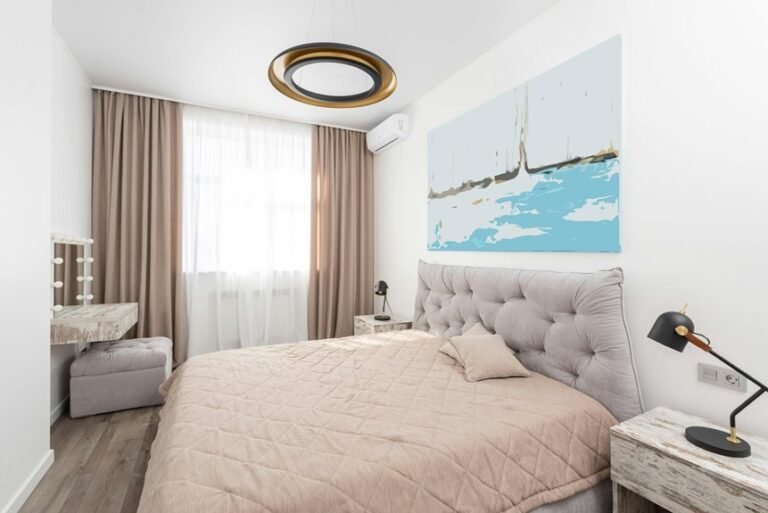
For the best results, place your air purifier in the room where you spend the most time, such as your bedroom or family room, and set it a few feet away from walls, curtains, and furniture so air can move in and out freely.
Then choose a spot that supports optimal airflow and steady room circulation for everyone sharing the space. Keep it near the center of activity, not concealed in a corner or behind decor.
- Put it where your group gathers most often
- Choose a flat, stable surface or open floor area
- Keep doors and pathways open whenever possible
- Match the purifier size to your room
If you sleep with it on, place it where clean air can reach your breathing zone without blowing directly at your face.
That way, your space feels fresher, calmer, and more welcoming every day.
Clearance From Walls
Because an air purifier needs room to pull air in and push clean air back out, the space between the unit and your walls matters more than most people realize. If you place it too close, airflow gets blocked, and your purifier can’t work as a strong part of your home’s healthy routine.
For better wall spacing, keep the unit at least 6 to 18 inches from walls, furniture, and curtains, unless your manual says otherwise. That side clearance helps air move freely into the intake and out through the exhaust. It also lowers the chance of dust building up around the machine.
As you set up your space, imagine of your purifier like another member of the household. Give it breathing room, and it’ll support everyone better, quietly doing its job without feeling boxed in.
How to Maintain an Air Purifier Safely
While clean air can bring real peace of mind, safe maintenance matters just as much as the purifier itself. You protect your home best as you unplug the unit before service and follow filter cleaning safety steps every time.
To keep your purifier safe and reliable, stay consistent with care:
- Check the manual initially, because some HEPA filters contain glass microfibers and need gentle handling.
- Wear gloves and avoid shaking dirty filters, which can send trapped dust back into your shared air.
- Follow replacement schedule tips so old filters don’t strain the motor or leak particles.
- Wipe vents with a dry cloth, and keep moisture away from electrical parts.
That simple routine helps you care for your space, your people, and yourself with more confidence and a little less stress each day.
Frequently Asked Questions
Can Air Purifiers Remove Radon or Carbon Monoxide From Indoor Air?
No. Air purifiers are not effective for removing radon or carbon monoxide. Radon requires a dedicated mitigation system, and carbon monoxide calls for working CO alarms to warn people in the home.
Are Replacement HEPA Filters Safe to Dispose of in Household Trash?
Yes, replacement HEPA filters can usually go in household trash, but handle them carefully since they may hold dust, allergens, or other contaminants. Place the used filter in a sealed bag before throwing it away, and check local disposal rules if the filter was exposed to hazardous materials.
Do Air Purifiers Increase Electricity Bills Significantly Over Time?
Most air purifiers do not raise electricity bills by much over time. Check the unit’s wattage, compare its energy use to other devices in your home, and estimate the monthly cost before buying. In many cases, a well rated purifier adds only a modest amount to regular household expenses.
How Loud Are Air Purifiers During Sleep or Work Hours?
Air purifiers typically run at 20 to 50 decibels, which is quiet enough for most workspaces and often comfortable for sleeping. Many models include a night mode that lowers fan noise, making the room feel quieter and more restful.
Can One Air Purifier Effectively Clean Air Across Multiple Rooms?
A single air purifier usually cannot clean the air well across multiple rooms, because its effective range is typically limited to one space. Air quality improves more when you place purifiers in the rooms people use most often, since portable units do not perform as effectively throughout an entire home.