

Bad air at work can drain your focus and leave you feeling tired. An air purifier helps remove dust, pollen, and other small particles that distract and irritate you. Cleaner air can support clearer thinking, steadier energy, and a more comfortable workspace. That simple change can make it easier to stay on task throughout the day.
Do Air Purifiers Improve Productivity?
How much can cleaner air really change the way people work? More than you could imagine. When you use air purifiers, you help remove dust, pollen, mold spores, and other particles that make shared spaces feel stale and unhealthy.
That means your team can breathe easier, feel cared for, and stay more comfortable through the day.
Cleaner air also supports steadier productivity. You could notice fewer headaches, less irritation, and less drag from poor ventilation. In a workplace where everyone wants to feel part of something healthy and dependable, that matters.
Modern units can also offer noise reduction, so the room feels calmer, not distracting. Some systems even support energy savings while keeping air fresh.
Whenever your space feels cleaner and more welcoming, people often show up with more ease, comfort, and confidence together daily.
Why Cleaner Air Improves Focus
As the air feels clean, your brain doesn’t have to work around constant irritants. You settle in faster, consider more clearly, and stay with your team instead of fighting distraction. Fresh air helps ease headaches, eye strain, and that heavy, tired feeling that can make even simple tasks feel distant.
As your body relaxes, your attention gets steadier and your choices get sharper.
That mental ease works even better as your space supports it in other ways. With noise reduction and lighting comfort, cleaner air helps create a calmer rhythm around you. You’re not just getting through the day.
You’re able to listen, respond, and contribute with more confidence.
In a shared workspace, that matters. You feel present, capable, and connected, which makes focused work feel more natural for everyone there.
Which Pollutants Hurt Work Performance Most?
Because some indoor pollutants affect your brain and body at the same time, they can quietly drain your work performance before you even notice it. The biggest troublemakers are fine particles and stale air. PM2.5 exposure can slow your thinking, raise headaches, and make tasks feel harder than they should. These tiny particles can also irritate your lungs, so you feel worn down and less present with your team.
At the same time, carbon dioxide buildup can make you sleepy, foggy, and less sharp during meetings, writing, or problem-solving. That matters because if your mind feels off, it’s harder to contribute with confidence and stay connected to the people around you.
Add chemical fumes from cleaners, printers, or paint, and you might notice more eye irritation, fatigue, and mistakes by midafternoon at work.
How Air Purifiers Reduce Dust and Allergens
While stale air and fine particles can quietly wear you down, air purifiers help while pulling dust, pollen, pet dander, and mold spores out of the air before you keep breathing them in.
In shared spaces, that matters because you want everyone around you to feel cared for and protected, not stuck with floating irritants all day.
To do that, a purifier uses proven dust capture methods, including pre-filters for larger bits and dense HEPA media for tiny particles.
As air moves through each layer, particles get trapped instead of settling on desks, screens, and vents.
That stronger allergen filtration efficiency means fewer triggers recirculate through the room.
You get a cleaner space that supports your team’s health, helps everyone breathe easier, and makes the workplace feel more welcoming for all.
How Cleaner Air Supports Comfort and Alertness
As those irritating particles leave the air, your workspace starts to feel easier on your body and mind. You notice fewer distractions from stuffy air, itchy eyes, and that heavy feeling that makes the day drag. In their place, you get a real comfort lift that helps you settle in and feel more at home with your team.
That physical ease supports mental sharpness, too. As the air feels fresher, you can stay present in meetings, follow ideas faster, and make fewer careless mistakes. You also get clear alertness benefits because your brain isn’t working around irritation, stale air, or lingering odors.
As comfort rises, your energy feels steadier, and it becomes easier to contribute, connect, and keep pace with the people around you. Cleaner air helps you feel like you truly belong.
Can Air Purifiers Reduce Sick Days?
As you use an air purifier, you can cut down airborne germs and irritants that often trigger coughs, allergies, and breathing problems. That means you might see fewer sick days because cleaner air helps protect your respiratory health in shared workspaces.
As a result, your team can stay present, feel better, and miss less work.
Fewer Airborne Illnesses
Because germs can linger in shared air long after a cough or sneeze, air purifiers can help cut sick days through removing many of the tiny particles that carry viruses, bacteria, dust, and other irritants through your workspace. That matters whenever you want your team to feel safe, supported, and ready to show up for one another.
As air moves through high-efficiency filters, you get stronger virus transmission reduction in busy rooms where people meet, talk, and share space all day. Some systems also add UV or ionization features, which can further limit airborne microbes. In turn, you strengthen workplace hygiene control without making daily routines feel harsh or clinical.
Your office feels more welcoming, and your team can spend less time out sick and more time working together with confidence each week.
Improved Respiratory Health
Cleaner air doesn’t just lower the spread of illness. It also helps you breathe easier, feel more comfortable, and stay connected with your team instead of being distracted by coughing, congestion, or throat irritation. In shared spaces, air purifiers remove dust, pollen, mold spores, and other particles that can trigger breathing problems.
That matters if your workplace wants everyone to feel supported. Better filtration can strengthen asthma management by reducing common triggers before they build up indoors. It can also provide allergy relief, especially during high-pollen seasons or in tightly sealed offices where stale air lingers.
When your lungs aren’t working overtime, you’re more likely to feel steady, clear, and ready to join in. Healthier air helps create a workspace where your comfort matters and your well-being feels part of the group.
Lower Workplace Absenteeism
Even though your team works hard to stay healthy, poor indoor air can quietly drive up sick days through spreading irritants and germs throughout the office. When dust, pollen, mold spores, and other particles build up, you may see more allergy flare-ups, asthma trouble, fatigue, and colds. That doesn’t just affect one person. It can pull the whole group off balance.
Air purifiers help you create a space where people feel supported and protected. Through removing airborne pollutants and lowering exposure to contaminants, they can reduce respiratory symptoms and help limit absences. That matters even more anytime you pair cleaner air with a thoughtful remote work policy and strong employee wellness programs. Together, these steps show your people they belong, their health matters, and your workplace is built to help everyone show up well each day.
Do Air Purifiers Help at Home and in Offices?
At home, you can breathe easier whenever an air purifier removes dust, pollen, and other particles that keep your air from feeling clean.
In an office, you might notice better focus, fewer headaches, and steadier energy whenever the air stays fresher throughout the day.
To get those benefits, you’ll want a purifier that fits your room size, targets your main air concerns, and runs efficiently.
Home Air Quality Benefits
Because you spend so many hours indoors, the air in your home can shape how you feel, believe, and work more than you might expect.
Once you use an air purifier, you cut down dust, pollen, pet dander, and mold spores that can make daily life harder. That means more allergy relief, easier breathing, and steadier energy for the people you care about.
As your air gets cleaner, your space can feel safer and more welcoming. You might notice fewer stuffy mornings, less coughing at night, and better bedroom freshness where rest should happen.
Cleaner air also helps reduce odors and floating particles, so your rooms feel lighter and more comfortable. In turn, you can settle in, relax faster, and enjoy a home that supports your health, calm, and sense of togetherness each day.
Office Productivity Effects
While home comfort matters, the air in your office can shape how well you reason, work, and feel for hours at a time. When you share space with coworkers, cleaner air helps everyone stay alert, included, and ready to contribute. By reducing dust, pollen, mold spores, and other particles, air purifiers support workplace comfort and make it easier to breathe, focus, and collaborate.
That shift in air quality can improve office efficiency, too. You may notice fewer headaches, less eye irritation, and less afternoon fatigue, which helps you think clearly and respond faster. Better air also lowers allergy flare-ups and some airborne illness risks, so your team misses fewer days.
As attendance steadies and energy rises, the office feels more supportive, connected, and productive for everyone each day.
Choosing The Right Purifier
Once you see how cleaner air can support focus and attendance, the next step is choosing a purifier that fits your space and your needs. You want one that helps everyone breathe easier and feel cared for, whether you’re at home or sharing an office.
- Check purifier sizing so the unit matches your room and cleans air fast enough.
- Choose a true HEPA filter to capture dust, pollen, mold spores, and other tiny particles.
- Compare noise levels, especially if you need quiet for calls, study, or deep work.
- Review upkeep costs, filter changes, and energy use so the purifier stays practical daily.
As you narrow options, consider your group’s routines. A well-matched purifier supports comfort, lowers distractions, and helps your space feel healthier, calmer, and more welcoming.
What to Look for in a Workplace Air Purifier
A few key features can make the difference between an air purifier that simply runs and one that truly helps your team feel better and work better. Start with strong HEPA filter ratings, since they show how well the unit captures fine particles that can trigger headaches, allergies, and fatigue.
Next, check airflow capacity so your shared space gets cleaned efficiently during busy hours. Then look at noise level considerations, because a loud machine can distract people who need calm to focus. You’ll also want easy filter changes, clear air quality indicators, and energy-efficient operation to keep daily use simple and affordable.
Should you’re considering added technology, choose proven features like activated carbon for odors. As you pick a purifier with your people in mind, you help everyone feel cared for, comfortable, included, and ready to do their best work.
Where to Place an Air Purifier at Work
You’ll get the best results whenever you place your air purifier close to desks, where people breathe and work all day.
Keep it out of tight corners or behind furniture, so clean air can move freely through the room.
With the right spot, you help your team breathe easier, stay sharper, and feel better at work.
Optimal Desk Placement
Because clean air only helps whenever it can actually reach you, desk placement matters more than most people think. Set your purifier close enough to support your breathing zone, but not so close that noise or direct output feels distracting. Aim for balanced desk airflow that moves fresh air across your workspace naturally and keeps you comfortable through the day.
- Place it beside your desk, not behind you.
- Keep a safe monitor distance so airflow doesn’t blow at your screen or eyes.
- Match the purifier’s intake and output with how you sit and work.
- Test the spot for one full day and notice focus, comfort, and energy.
When your setup feels right, you stay more at ease, more included, and more ready to do your best work together.
Avoid Obstructed Corners
While a corner could seem neat and out of the way, it often blocks the very airflow your purifier needs to clean the room well. When you tuck it beside cabinets, walls, or stacked boxes, corner airflow drops and the unit can’t pull in polluted air evenly. That means more dust, allergens, and stale air stay where your team breathes and works.
Instead, give your purifier open space on all sides so air can move freely through the filter. This simple shift reduces blocked circulation and helps the unit cover more of the room, not just one concealed spot. You create a workspace that feels fresher, healthier, and more welcoming for everyone around you.
In shared offices, that matters. People feel cared for when the air feels clean, and your purifier can finally do its job right.
When Air Purifiers Are Not Enough
Even though air purifiers can make a real difference, they can’t fix every air quality problem in your workplace. Should your team wants a space where everyone feels comfortable, safe, and ready to do their best, you need more than one tool. Air cleaners help with particles, but HVAC limitations, concealed moisture, and indoor fumes can still drag the room down.
- Fix leaks fast, because damp spaces feed mold.
- Improve ventilation whenever stale air keeps building up.
- Use source control strategies to reduce printers’ fumes, cleaning chemicals, and strong odors.
- Check crowded layouts, since blocked airflow leaves some coworkers breathing worse air.
Whenever you pair purifiers with smarter building care, you create a workplace that supports everyone, not just the people sitting closest to the unit each day.
How to Track Air Quality and Productivity
Two simple habits can help you see whether cleaner air is really helping your team: track the air itself, and track how people work in that space.
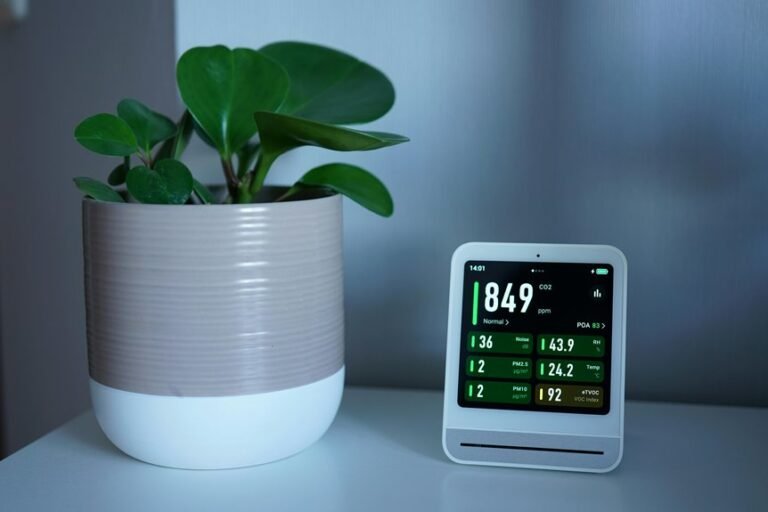
Start with data monitoring tools that measure PM2.5, CO2, humidity, and temperature each day. Keep readings visible, so everyone feels included in the process.
Then match those numbers with performance metrics like task completion, error rates, focus time, meeting energy, and sick days. Look for patterns over several weeks, not one busy afternoon.
Provided air readings improve and your team reports fewer headaches, stronger focus, and steadier output, you’re seeing useful signals.
To keep trust strong, ask for quick weekly check-ins about comfort and concentration. As people know their experience matters, they’re more likely to share honest feedback, and your whole workplace can grow healthier together over time.
Are Air Purifiers Worth It for Workspaces?
Whenever you’re curious whether air purifiers are worth the cost in a workspace, the short answer is yes if your goal is better health, steadier focus, and fewer lost workdays.
Whenever your team shares cleaner air, everyone feels supported, included, and ready to do good work together.
- You remove dust, pollen, mold spores, and other irritants.
- You lower sick days if reducing airborne triggers and germs.
- You help concentration, memory, and decision-making stay sharper.
- You build morale because fresher air simply feels better.
That makes the cost benefit analysis easier. You’re not just buying a machine. You’re protecting energy, attendance, and teamwork.
Even with maintenance costs like filters and cleaning, the return often shows up in stronger output, fewer headaches, and a workspace where people feel they truly belong.
Frequently Asked Questions
Can Air Purifiers Increase Electricity Bills in Workplaces?
Air purifiers can raise electricity bills in workplaces, but the increase is usually small. Costs depend on the unit’s power use, how many hours it runs, and how often filters are replaced. You can keep expenses under control by selecting energy efficient models, setting run times carefully, and staying on top of filter maintenance.
How Often Should Workplace Air Purifier Filters Be Replaced?
Replace workplace air purifier filters every 6 to 12 months. Check them monthly and change them sooner if you notice odors, reduced airflow, or visible buildup. Follow the unit’s maintenance schedule to keep air quality consistent.
Are Air Purifiers Noisy During Meetings or Focused Work?
Many air purifiers work well during meetings or focused tasks because they run quietly at low settings. Voices remain easy to hear, distractions stay minimal, and the room still benefits from cleaner air.
Can Air Purifiers Eliminate Odors From Office Kitchens?
Yes, air purifiers can reduce odors from office kitchens, especially when you choose models designed to absorb smells. Results improve when they work alongside effective kitchen ventilation, creating a cleaner and more comfortable office environment.
Do Air Purifiers Require Professional Installation or Maintenance?
No. Most air purifiers are ready to use with minimal setup, so professional installation is rarely necessary. Routine upkeep is also straightforward. You can usually replace filters and clean washable components on your own to keep the air in your workspace cleaner and more comfortable.