

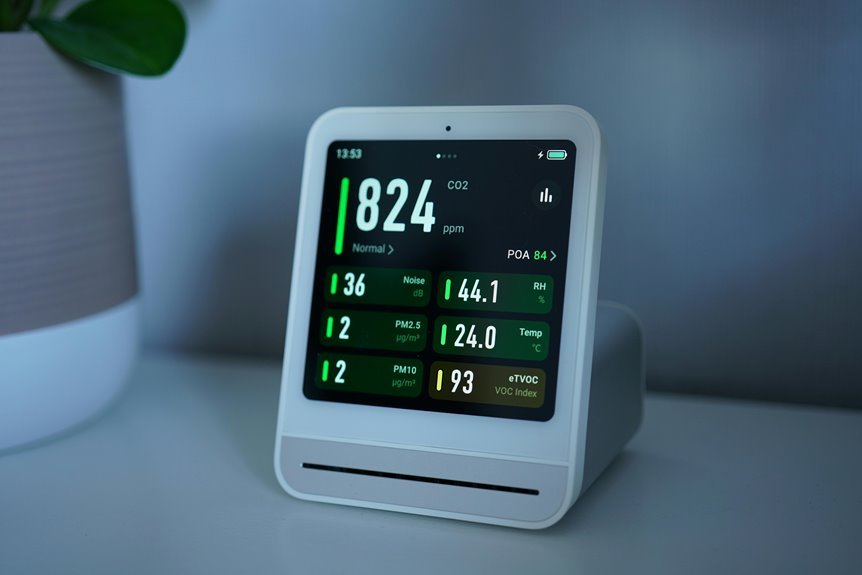

Yes, an air purifier can help you sleep better by cleaning the air in your bedroom. It removes dust, pollen, pet dander, odors, and tiny particles that can irritate your nose, throat, and lungs at night. Cleaner air often means less coughing, less snoring, and fewer allergy flare-ups while you sleep. The best results come from choosing a quiet purifier that fits your room and placing it in the right spot.
Do Air Purifiers Improve Sleep Quality?
How much can cleaner air really change your sleep? More than you could imagine. When your bedroom air feels fresher, your body can settle in faster, and you could wake up feeling more like yourself. Studies show that using an air purifier can raise sleep duration by about 12 minutes a night and improve sleep efficiency by 3.2%. That could sound small, but once you add those gains night after night, you feel the difference.
Cleaner air also helps your room feel less stuffy, which supports easier breathing and steadier rest. In some bedrooms, people even spend 19 more minutes in bed with a HEPA filter running. Better yet, these changes can show up within two weeks, so you don’t have to wait long to feel more at home in your own sleep.
What Pollutants Disrupt Sleep at Night?
Cleaner air can help you sleep better, but it also helps to know what’s been getting in the way.
At night, your bedroom can trap nighttime air contaminants that make breathing feel heavier and rest less steady. You’re not alone when that leaves you tired.
Common troublemakers include:
- PM2.5 and PM10, which can irritate your airways and make your body work harder to relax
- Stale air with rising carbon dioxide and MVOCs, which can make your room feel stuffy and uneasy
- Odor molecules and sleep disrupting chemicals from cleaners, paints, or sprays that might bother your nose and brain
When these pollutants build up, your sleep can turn lighter and more broken.
Understanding what’s in your air helps you create a bedroom that feels safer, calmer, and more like home each night.
Can an Air Purifier Help Allergies or Snoring?
When allergies or snoring keep stealing your rest, an air purifier may help by clearing the particles that irritate your nose and throat at night. That means less dust, pollen, and pet dander floating around your bedroom while you try to settle in.
When your air feels cleaner, your body often relaxes more easily. You may notice allergy relief through less congestion, coughing, and throat irritation. That matters because blocked nasal passages are one of the most common snoring causes. Cleaner air can support steadier breathing, which helps you and your partner sleep with fewer disruptions.
You deserve a bedroom that feels safe, calm, and easier to breathe in. If nighttime symptoms make you feel left out of good rest, cleaner air can help you feel comfortable, included, and finally more at home there.
Which Air Purifier Features Matter for Sleep?
When you’re choosing an air purifier for better sleep, quiet operation should come first because a loud fan can keep you awake.
You’ll also want sleep mode, since it lowers fan speed, dims bright lights, and keeps the room calm through the night.
These two features work together to help you breathe easier without adding new sleep disruptions.
Quiet Operation
Because sleep is light and fragile for many people, quiet operation should be one of the initial things you check in an air purifier for the bedroom. If you wake easily, a loud fan can pull you out of rest just when your body needs calm most. You’ll feel more at home with a unit built for silent motor design and low vibration operation, because steady airflow shouldn’t rattle your room or your nerves.
Look for details that help you rest with confidence:
- Brushless motors that reduce buzzing and harsh mechanical noise
- Balanced fan blades that support smoother, low vibration operation
- Insulated housing that softens sound without blocking airflow
A gentle purifier can even create a soft, steady background hum, helping your bedroom feel peaceful, welcoming, and easier to settle into each night.
Sleep Mode Features
Often, sleep mode is the feature that turns an air purifier from simply useful into something you can actually live with all night. It helps your room feel calm, shared, and welcoming, not like a lab humming beside your bed.
That matters because good sleep needs less interruption. Sleep mode lowers fan speed, softens sound, and pairs well with dimmed display settings, so stray light won’t pull you out of rest. Many models also include auto sleep timers, which let you match the purifier to your bedtime routine without getting up later.
As the room quiets, you can settle in faster and breathe with less irritation from dust, pollen, and pet dander. In that way, sleep mode supports the same clean-air benefits you want, while helping your bedroom still feel like home.
What Size Air Purifier Do You Need?
To get the sleep benefits you want, you need an air purifier that fits your room size, not just the one with the nicest features.
You should check the unit’s coverage and CADR so it can clean your bedroom air fast enough through the night. Placement matters too, because if you tuck it in a corner or block the airflow, you won’t get the clean, steady air your body needs for better rest.
Room Size Matching
One simple rule can save you a lot of trial and error: match the air purifier to your bedroom’s actual size, not your best guess.
When you choose a unit that fits your room square footage, you give yourself a fair shot at cleaner, calmer air all night. A too-small model may struggle, while an oversized one can be unnecessary.
To make that choice easier, start with what your space really needs and how your room feels at bedtime.
- Measure your bedroom length and width, then multiply them.
- Compare that number to the purifier’s recommended coverage area.
- Check the purifier airflow rate so air can move well through your space.
If your room has high ceilings, heavy fabrics, pets, or dust, size up a little.
You’re creating a sleep space that truly supports you and everyone you share it with.
CADR And Coverage
| Room Size | CADR Range | Best Fit |
|---|---|---|
| 100 sq ft | 65 to 80 | Small nursery |
| 150 sq ft | 90 to 110 | Cozy bedroom |
| 200 sq ft | 120 to 140 | Standard bedroom |
| 300 sq ft | 180 to 220 | Large bedroom |
| 400 sq ft | 240+ | Shared sleep space |
You deserve a purifier that keeps up, not one that quietly falls behind while you rest.
Bedroom Placement Needs
Beyond matching CADR to your bedroom size, placement decides whether that cleaning power actually reaches the air you breathe all night. You want the unit close enough to support your sleep, but not so near that airflow hits your face. Good wall placement leaves 6 to 18 inches of space, so intake and output stay open. Whenever your room traps dust or pet dander, corner elevation on a stable stool can help circulation move across the bed zone.
- Keep it 6 to 10 feet from your bed for clean, gentle airflow.
- Avoid tight corners, curtains, and furniture that block vents.
- Place it near likely pollutant sources, like doors, rugs, or litter boxes.
When you set it up with care, your room feels more supportive, calm, and easier to breathe in together.
Where Should You Place an Air Purifier?
Where you place your air purifier matters more than most people realize, because the right spot helps it pull in dust, pollen, pet dander, and other tiny particles that can irritate your nose, trigger coughing, and break up your sleep.
Put it in your bedroom, close enough to clean the air you breathe, but not so close that airflow blows right onto your face.
For the best results, set it at the ideal height recommended by the maker, often a few feet off the floor, where air circulates well. Leave enough wall clearance on every side so the purifier can draw in air without strain.
Keep it away from curtains, under-bed corners, and crowded furniture. In case you share your room, place it between sleepers and common allergen sources, so everyone breathes easier and feels more at home.
How Do You Maintain an Air Purifier?
Once you’ve placed your air purifier in the right spot, keeping it clean helps it keep doing its job night after night. You’ll breathe easier once you stick to a simple routine, and that routine helps your purifier protect the shared comfort your home deserves. Check the filter replacement schedule in your manual, because a clogged filter can’t trap dust, pollen, or pet dander well.
- Vacuum pre-filters weekly so airflow stays strong.
- Wipe vents and panels during cleaning exterior surfaces.
- Reset filter lights after each change, in case your model has them.
Also, unplug the unit before you clean it. Keep the intake clear of hair, lint, and clutter. In case your purifier uses a carbon filter, replace it on time to control odors. Small care steps help your whole space feel fresher, calmer, and more sleep-friendly.
Frequently Asked Questions
Can Air Purifiers Dry Out the Air While You Sleep?
No, air purifiers do not usually dry out the air while you sleep. They remove airborne particles, not moisture, so the effect on humidity is typically very small. For better nighttime comfort, check your room’s humidity level and adjust the purifier settings if needed.
Are Air Purifiers Safe to Run All Night?
Yes, most air purifiers are safe to run overnight when used as directed by the manufacturer. For safer nighttime use, choose a certified unit, change the filters on schedule, and make sure the air intake and outlet stay unobstructed. Running an air purifier through the night can support cleaner indoor air and make sleep more comfortable.
How Much Electricity Does a Bedroom Air Purifier Use?
A bedroom air purifier typically uses 10 to 60 watts, so electricity use stays low. Monthly operating cost often falls between $1 and $6, depending on how many hours it runs, the fan setting, and your local electricity rate, which makes nightly use affordable.
Do Air Purifiers Help With Bedroom Odors From Pets?
Yes, an air purifier can cut pet and litter box odors in a bedroom, especially if it has an activated carbon filter. It helps clear the air, making the room smell cleaner and feel more comfortable for sleep.
How Long Does It Take to Notice Sleep-Related Benefits?
Many people notice better sleep within about two weeks. Relief can start sooner, since reduced allergy symptoms may ease congestion, coughing, and snoring within a few nights.
